Top 7 Medical Schools in Tennessee: Rankings, Requirements, and Admissions Tips
Explore the top medical schools in Tennessee, including admissions tips, program highlights, and what makes each school unique for aspiring doctors.
Posted March 24, 2026




Table of Contents
Researching medical schools in Tennessee usually starts with comparing MCAT scores, reviewing acceptance rates, and deciding where to submit your primary application. But strong numbers alone don’t always guarantee the right fit. Each program has its own mission, teaching style, and student profile.
Tennessee offers both MD and DO programs in cities like Nashville, Memphis, Knoxville, and Johnson City. Some schools focus on research and large academic hospitals. Others emphasize primary care, rural medicine, and serving local communities. Many programs also give strong preference to Tennessee residents.
This guide breaks down every medical school in Tennessee, including admissions data, program focus, and key differences. By the end, you will have a clear understanding of which schools match your academic profile and long-term goals in medicine.
Why Study Medicine in Tennessee?
Tennessee is quickly becoming a top choice for aspiring medical students because it offers unique advantages that make studying medicine in the state both rewarding and affordable. One of the main reasons is Nashville, Tennessee’s largest city, which is known not only as the heart of country music but also as one of the nation’s premier healthcare hubs. With powerhouse institutions like HCA Healthcare and Vanderbilt University Medical Center, Nashville offers medical students invaluable opportunities to connect, intern, and learn from some of the best in the field. These connections integrate education with real-world healthcare innovations, making Nashville an ideal place for aspiring medical professionals.
In addition to its healthcare opportunities, the state also offers affordable in-state tuition for residents. Medical schools like the University of Tennessee Health Science Center and East Tennessee State University’s Quillen College of Medicine provide a reduced rate for in-state students, which can significantly ease the financial burden of medical school. This makes it easier for students to focus on their education without worrying about crippling debt.
The state also faces a critical shortage of healthcare professionals, especially in rural and underserved areas. To address this issue, the state’s medical schools actively train students to serve these areas. With a strong emphasis on rural health experience during clinical rotations, students are well-prepared to meet the medical needs of the state when they graduate. By studying in Tennessee, students not only receive a high-quality medical education but also contribute to addressing the state’s healthcare challenges.
The 10 Best Medical Schools in Tennessee
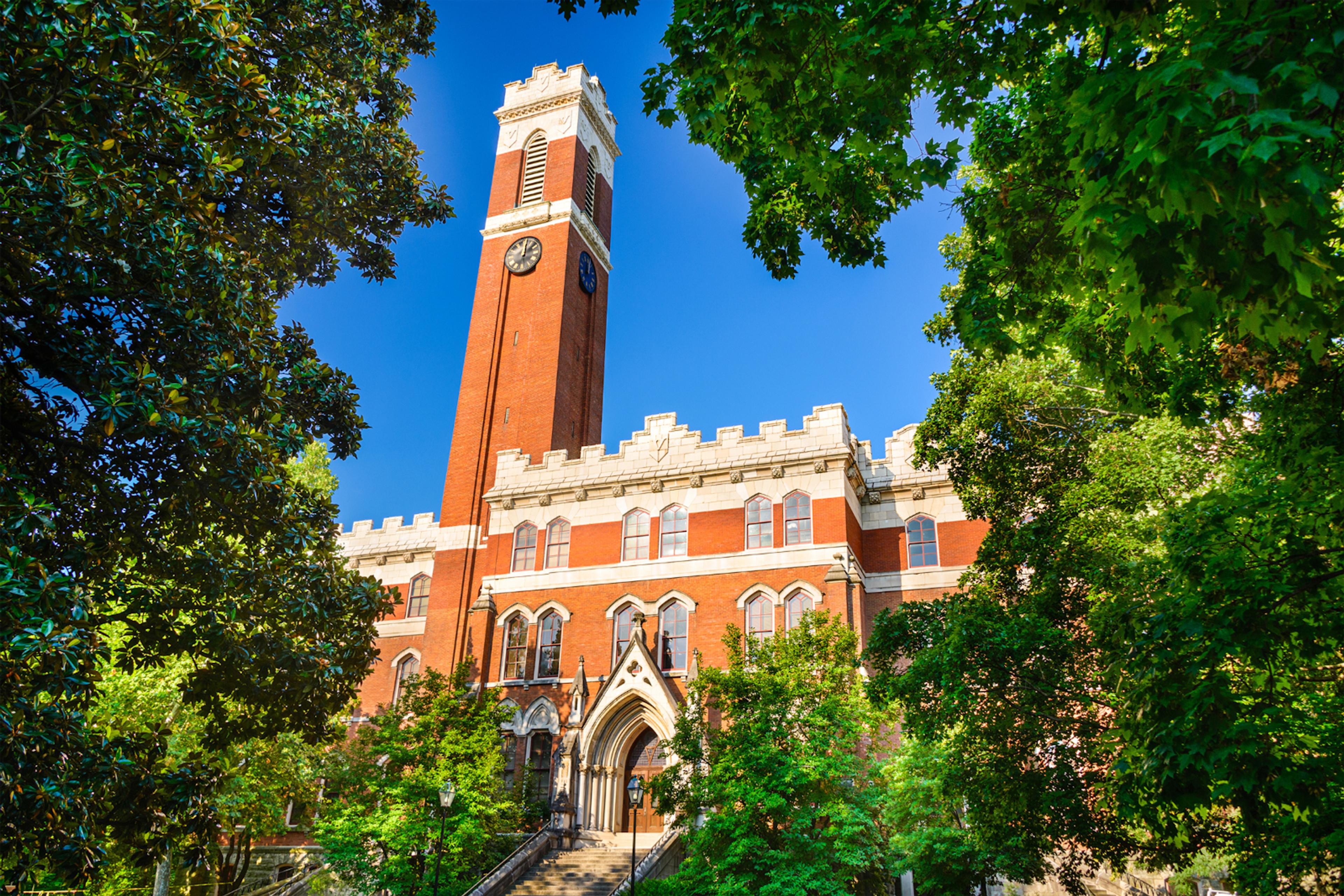
1. Vanderbilt University School of Medicine
- Acceptance Rate: 1-1.3%
- Average GPA: 3.95
- Average MCAT: 522
Vanderbilt University School of Medicine is consistently ranked among the top medical schools in the country. Known for its rigorous curriculum and cutting-edge clinical rotations, Vanderbilt prepares students for a wide range of specialties, including global health and medical ethics.
Getting into Vanderbilt’s Doctor of Medicine (MD) program is very challenging. Each year, the school reviews around 7,600 applications but admits just 96 students, making it one of the most selective MD programs in the country. Accepted students usually have strong grades, hands-on healthcare experience, leadership skills, and a deep commitment to becoming doctors.
Located in Nashville, the school is affiliated with Vanderbilt University Medical Center, one of the leading research hospitals in the U.S. The Doctor of Medicine program emphasizes patient care, hands-on training, and innovative learning methods. Students benefit from learning communities that provide mentorship from experienced faculty members.
2. University of Tennessee Health Science Center (UTHSC) College of Medicine

- Acceptance Rate: 10%
- Average GPA: 3.83
- Average MCAT: 513
The University of Tennessee Health Science Center (UTHSC) College of Medicine is one of the top medical schools for Tennessee residents, offering strong graduate medical education and a commitment to training primary care physicians. Located in Memphis, UTHSC has additional campuses in Knoxville, Chattanooga, and Nashville, giving students access to diverse clinical rotations.
UTHSC provides hands-on experience in both urban and rural communities, ensuring students gain exposure to different patient populations. The school also emphasizes medical ethics, health disparities, and patient care, preparing students for real-world medical challenges.
With strong research programs, partnerships with major hospitals, and affordable tuition for in-state students, UTHSC is a great option for students looking to practice medicine in Tennessee.
3. Meharry Medical College

- Acceptance Rate: 3-4%
- Average GPA: 3.58
- Average MCAT: 502-506
Meharry Medical College, located in Nashville, is one of the three historically Black medical schools in the United States. It is known for its mission to train primary care physicians and address health disparities in underserved communities.
The college trains future doctors to serve patients in both rural areas and cities with limited access to medical care. Students gain hands-on experience through clinical rotations at affiliated medical groups and hospitals across Tennessee, learning to provide excellent patient care while understanding the health needs of entire communities. The school also offers collaborative programs with focused USMLE preparation and personalized learning plans to support strong exam performance.
4. East Tennessee State University (ETSU) Quillen College of Medicine

- Overall acceptance rate: 3.25%
- Acceptance Rate (In-state): 12.1%
- Acceptance Rate (Out-of-state): 0.91%
- Average GPA: 3.85
- Average MCAT: 513
Located in Johnson City, ETSU Quillen College of Medicine is known for its strong focus on rural medicine and training primary care physicians to serve rural communities across Tennessee and beyond. The school places a strong emphasis on patient care, clinical practice, and medical ethics, ensuring students are well-prepared to address health disparities.
According to the 2025 rankings from U.S. News & World Report, East Tennessee State University Quillen College of Medicine ranks 2nd nationally for the percentage of graduates who practice in medically underserved communities. It is also classified as a Tier 1 institution for primary care training.
Students complete clinical rotations in a variety of settings, including community hospitals, underserved areas, and learning communities that foster mentorship and collaboration. For those interested in rural medicine, Quillen provides distinctive training opportunities that set it apart from other medical schools in Tennessee. The college also maintains a 1:1 student-to-faculty ratio, ensuring personalized guidance and close mentorship.
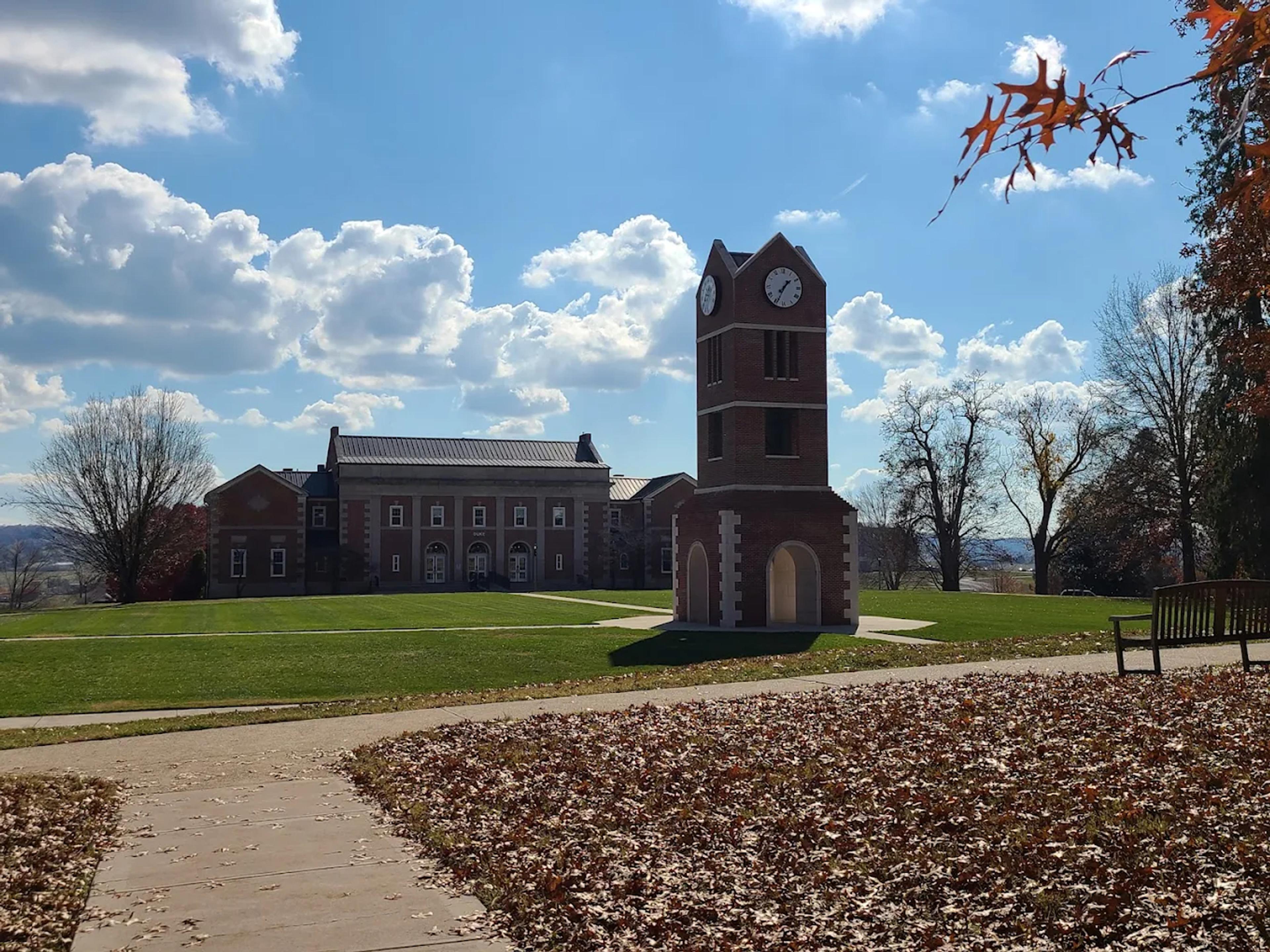
5. Lincoln Memorial University - DeBusk College of Osteopathic Medicine (LMU-DCOM)
- Acceptance Rate: 10-15%
- Average GPA: 3.4
- Average MCAT: 501
Lincoln Memorial University - DeBusk College of Osteopathic Medicine (LMU-DCOM) is one of the largest osteopathic medical schools in the country. Located near the Cumberland Gap Mountains, LMU-DCOM provides students with a hands-on approach to patient care, focusing on osteopathic manipulative medicine (OMM) and clinical practice.
The school emphasizes rural medicine, preparing students to work in rural communities with limited healthcare access. Tennessee residents looking for an affordable, community-driven education will find LMU-DCOM an excellent choice, especially if they are interested in primary care and clinical rotations in underserved areas.
6. Belmont University College of Medicine

- Acceptance Rate: 1.91%
- Median GPA: 3.81
- Median MCAT: 510
Belmont University’s Thomas F. Frist, Jr. College of Medicine opened its first class in 2024 and is now fully up and running in Nashville, Tennessee. They offer a Christian-centered focus in their allopathic medical education. The program focuses on early hands-on clinical experience and patient care. Students begin working with patients early in their training. The school also teaches medical ethics and whole-person care.
Because Belmont is located in Nashville, a major healthcare center, students train in well-known hospitals and health systems in the area. This gives them strong real-world experience and prepares them for residency and future medical practice.
7. William Carey University College of Osteopathic Medicine

Located in Hattiesburg, Mississippi, William Carey University College of Osteopathic Medicine focuses on training physicians for primary care and underserved communities. The program emphasizes holistic patient care, clinical readiness, and community-based medicine, which are core principles of osteopathic training.
While not included in traditional U.S. News rankings for MD programs, the school is recognized for its strong mission-driven approach and commitment to producing primary care physicians. Typical admitted students have GPAs around 3.4-3.6 and MCAT scores near 498-502.
For applicants seeking a more accessible pathway into medical school, William Carey offers a supportive learning environment with strong faculty mentorship and hands-on clinical training.
Admission Process
Getting into a medical school in Tennessee is not easy. You need a strong GPA and a competitive MCAT score to stay in the running. Schools are located in various cities across the state, including Nashville, Memphis, Johnson City, and Harrogate, but no matter the location, the standards remain high. Public schools may give some preference to in-state applicants, yet every accepted student must prove they can handle the demands of medical training.
That said, grades alone will not earn you an acceptance letter. Faculty members look closely at your clinical experience, service work, leadership, and how you treat others. They want future physicians who show maturity, discipline, and a clear reason for choosing medicine. Strong letters of recommendation, especially from science faculty, matter. So do your essays and interview performance. Numbers may open the door, but your character, preparation, and sense of purpose are what convince a school to offer you a seat.
How to Choose the Best Medical School in Tennessee
When choosing the best medical school in Tennessee, you should carefully explore programs that match your career goals and personal values. Seek opportunities that offer hands-on clinical experience, research participation, and training in diverse healthcare settings, while also considering wellness support, cost, location, and strong learning communities.
By engaging fully in these experiences and connecting with future medical leaders, students can develop the skills, knowledge, and compassion needed to serve both urban and underserved communities and thrive in their careers.
Factors to Consider When Choosing a Medical School
1. Curriculum Structure and Learning Style
Medical schools vary in how they teach. Some use a traditional two-year preclinical model followed by clinical years, while others use an integrated or systems-based curriculum. Consider whether you prefer problem-based learning (PBL), early clinical exposure, or more structured lecture formats. Review how subjects like anatomy, pharmacology, and pathology are taught and how much flexibility you have with electives or dual-degree options (e.g., MD/MPH, MD/MBA).
2. Clinical Training and Rotations
Hands-on experience during clinical years is a key part of your medical education. Look into each school’s affiliated hospitals and the variety of clinical settings, academic hospitals, rural clinics, VA hospitals, or community practices. A strong rotation program in diverse specialties increases your exposure and helps with residency competitiveness.
3. Location, Cost, and Financial Aid
Tuition and living expenses vary significantly by state and city. Public schools often offer reduced tuition for in-state residents. For Tennessee applicants, attending a state-funded school like ETSU or Meharry Medical College may offer financial advantages. Also, look at available scholarships, need-based aid, and loan forgiveness programs for primary care or rural medicine commitments.
4. Residency Match Rates and Support
Check each school’s residency match list to see where students end up and in what specialties. High match rates in competitive fields (e.g., dermatology, orthopedic surgery) can reflect strong advising, clinical exposure, and support. Ask about the school’s Office of Student Affairs and how they support ERAS applications, mock interviews, and specialty advising.
5. Institutional Mission and Focus
Some schools prioritize training doctors for underserved areas, rural medicine, or primary care, while others focus on academic medicine, biomedical research, or global health. Make sure the school’s mission aligns with your long-term goals. For example, Quillen College of Medicine focuses heavily on rural health, while Vanderbilt offers broader specialty training and research opportunities.
6. Research Opportunities and Facilities
If you’re interested in academic medicine or research, consider whether the school offers funding, mentorship, and time for research. Top schools like Vanderbilt and UTHSC have robust NIH funding and access to state-of-the-art labs. Ask about opportunities to publish, present at conferences, or join longitudinal research tracks during your MD training.
The Bottom Line
Tennessee is more than just a great place to live. It is a powerful launchpad for your medical career. With a mix of nationally ranked institutions like Vanderbilt, mission-driven schools like Meharry and ETSU, and osteopathic programs like LMU-DCOM, the state offers diverse training paths for every kind of future physician. Whether your goal is to serve in rural communities, advance medical research, or enter a competitive specialty, Tennessee’s medical schools provide strong clinical experiences, affordable tuition (especially for residents), and high residency match success.
The key is finding the program that best aligns with your career goals, learning style, and values. If you're ready to take the next step toward becoming a doctor, Tennessee has the school to help get you there.
Work With a Medical School Admissions Coach
Want expert help crafting your application? A professional admissions coach can guide you through every step, including personal statement, interview prep, school selection, and more. Get personalized advice to boost your chances at top med schools. Browse Med School Admissions Coach here.
Top Coaches
Read these next:
- Med School Application Timeline: Month-by-Month Breakdown (2026)
- 25 Popular Medical Residency Programs
- Osteopathic Medical School Interview Questions: Common Topics & Sample Answers
- AACOMAS Application Timeline: Key Dates and Tips
- MCAT Score Range and Average of the T50 Medical Schools
FAQs
Does Tennessee have a good med school?
- Yes, Tennessee is home to several highly regarded medical schools. Vanderbilt University School of Medicine consistently ranks among the top medical schools in the U.S. for research and specialty training. Schools like East Tennessee State University (ETSU) Quillen College of Medicine, and the University of Tennessee Health Science Center (UTHSC) are also respected for their focus on rural medicine, primary care, and clinical education.
How many medical schools are in Tennessee?
- Tennessee currently has five MD-granting medical schools (including Belmont University College of Medicine’s new MD program) and two DO-granting schools: Lincoln Memorial University DeBusk College of Osteopathic Medicine and the Memphis campus of William Carey University College of Osteopathic Medicine.
What is the cheapest medical school in Tennessee?
- The cheapest medical school in Tennessee is typically East Tennessee State University Quillen College of Medicine, especially for in‑state students.
What is the MCAT score for the University of Tennessee?
- The average MCAT score for admitted students at the University of Tennessee Health Science Center (UTHSC) for the class of 2025 is approximately 513. A strong GPA and well-rounded application, including clinical and volunteer experience, are also important for acceptance.