Graduate Admissions: Myths Busted!
What you’ve heard about getting into grad school vs. the facts, from an expert Leland coach with almost 20 years of experience.
By Debby C.
Former Stanford Graduate Admissions | Master's Admissions Expert
Posted June 13, 2025



One of the most frequently asked questions I receive from people interested in graduate school is, “What are admissions committees looking for exactly?” In my almost 20 years of experience working in graduate admissions, I’ve realized that this information isn’t readily available anywhere. With that comes much misinformation, speculation, and hype about the review process that leads people to submit poor applications. To be clear, I’m not referring to applying with a poor academic record; I mean submitting an application that does not reflect your uniqueness, potential, strengths, and goals for graduate school and your career.
I’ve traveled worldwide and met with hundreds of prospective graduate school applicants. I often tell them that my job of reviewing applications alongside admissions committee members at Stanford could have been quick and easy. We could have spent a few days combing through applications and admitting those with perfect academic records and standardized test scores. But the process of reviewing applications took a few months. Why? Because grades alone will not guarantee your admission to most graduate school programs. They will get you noticed, but you have to show them more by submitting strong supporting documents.
Your statement of purpose, your resume, and your letters of recommendation are factors that can and will affect your admission to a graduate program. For example, your statement of purpose is meant for you to take the most important parts of your resume and present a clear picture of who you are related to your experiences and goals. It should showcase your problem-solving skills, how you connect theory to practice and how your academic and related experiences have shaped your reasons for applying to graduate school. Write about what you have to offer their department and clearly outline your learning and career goals.
Admissions committees are looking for ways to admit you. Yes, you read that correctly. They want to see how you will contribute to your field of study and the area once you graduate. What makes one student a good fit for a graduate program differs from what makes another student stand out. Ultimately, both students can be admitted to the program because their unique strengths contribute to the cohort's diversity.
The layers of experiences that you’ve gained over the years shape who you are becoming and the contributions you will make to a graduate program and career. It’s essential for you to showcase this in your applications. Share your ideas, thoughts, and questions in your statement of purpose. Give them a preview of the kind of graduate student you will be–how engaged you will be in class discussions, the clubs you will start, and the projects you will develop.
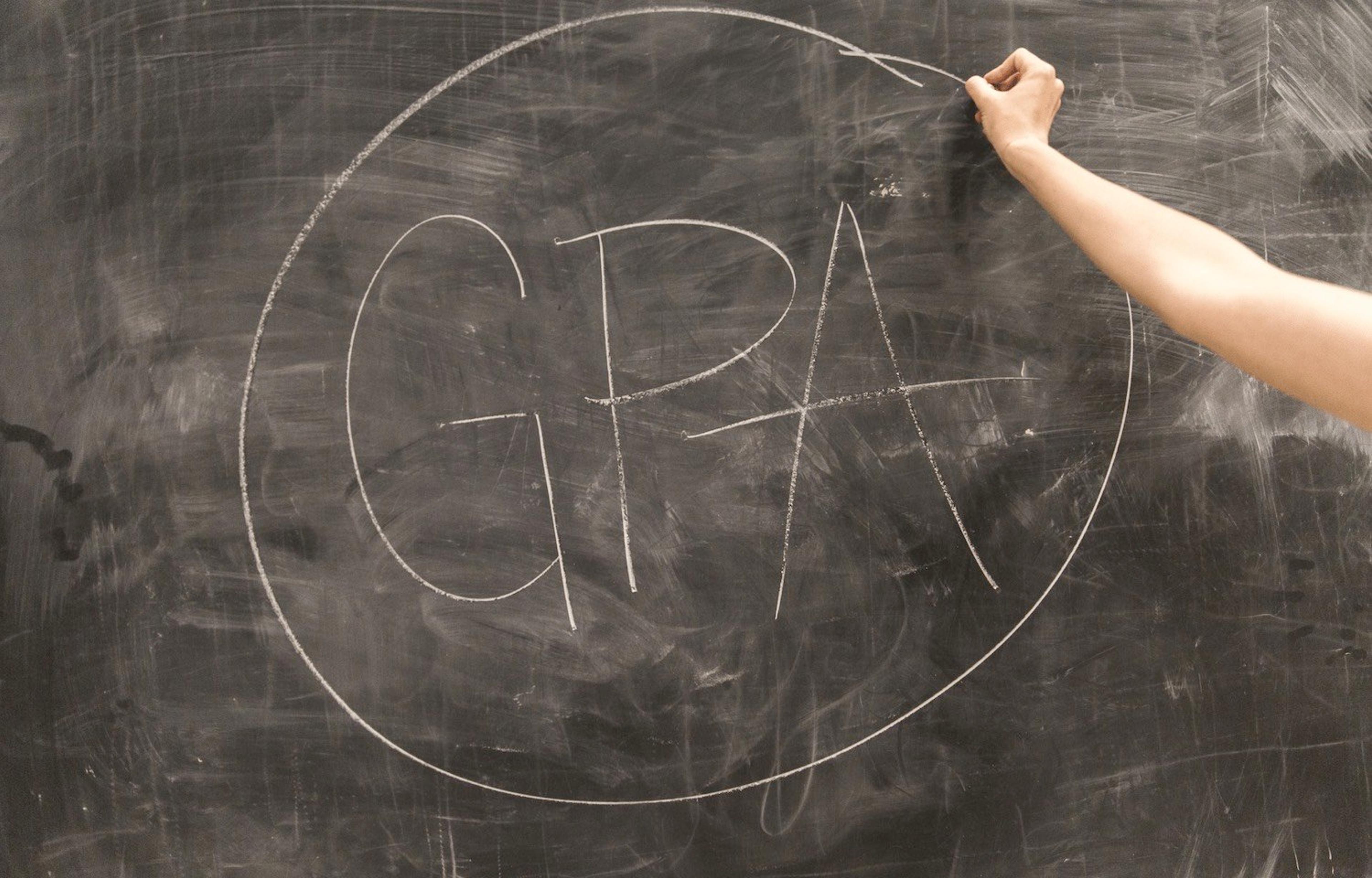
One of my strengths is working with clients who don’t feel confident about their potential for admission to graduate school. Everyone has a unique story to tell, and I make it my mission to help my students showcase their strengths... even if they can't see them at first. I can and I will show you how to communicate them clearly in your essays. I enjoy showing my clients what is possible and working with them to make their dreams a reality. Your GPA is not the sole deciding factor of admission; there are so many other layers to consider.
If you’re concerned that your GPA will hinder your admission or you need guidance on strengthening the other parts of your application, I’d love to work with you. Book a free intro call on my profile to get started. I am passionate about educational empowerment for students interested in pursuing a graduate degree and would love to help you get into your dream program.





Written by Debby
5.0
(45)
For almost ten years, I worked in graduate admissions at Stanford University — reviewing applications for MS and PhD programs, sitting on admissions committees, and building admissions offices in both the School of Engineering and the School of Education. I know how these decisions get made, because I was part of making them. Since 2013, I've worked as a full-time graduate admissions consultant, helping hundreds of students worldwide gain admission to some of the most competitive programs in the world. My clients come from every corner of graduate education — engineering, the natural sciences, education, social work, policy, psychology, business, medicine, and more — and from countries across six continents. I've traveled to meet students and their families in person, and I understand the different cultural expectations and pressures that surround the decision to pursue an advanced degree. What I offer is honest, personalized support — not shortcuts or tricks. I'm not here to help anyone "game" the system. I'm here to make sure the admissions committee sees the most accurate and compelling version of who you actually are. That means helping you find and articulate your story, strengthening your statement of purpose, building a smart school list, and preparing you for every step of the process. I don't screen clients based on GPA or academic record. In fact, some of my most rewarding work has been with students who weren't sure they belonged in graduate school at all — and who went on to get in. Everyone has a story worth telling. My job is to help you tell it well. My past client results include (for a complete list of my admissions results, click here: (https://www.wisegradadmissions.com/results) STANFORD UNIVERSITY Civil & Environmental Engineering Computer Science Electrical Engineering Management Science & Engineering Mechanical Engineering International Education Policy Learning, Design & Technology Policy, Organization & Leadership HARVARD UNIVERSITY Data Science Education Leadership. Organization & Entrepreneurship Human Development & Education Learning Design, Innovation, and Technology Prevention Science & Practice UNIVERSITY of PENNSYLVANIA Chemical Engineering Computer Science Electrical Engineering Materials Science & Engineering Mechanical Engineering Systems Engineering Education & Psychology Behavioral Economics Counseling & Mental Health Services Human Development International Education Development Learning Sciences and Technologies Social Psychology WHARTON MBA (joint program with Computer Engineering Management Technology) CORNELL UNIVERSITY Electrical & Computer Engineering Materials Engineering Mechanical Engineering Operations Research & Information Engineering Statistics Agricultural Economics Food Science Financial Mathematics Management JOHNS HOPKINS UNIVERSITY Applied Physics Computer Science Electrical & Computer Engineering Robotics Mental Health Counseling Public Health & Epidemiology Public Policy, Global Affairs & International Relations Financial Mathematics COLUMBIA UNIVERSITY Computer Science Electrical Engineering Environmental Engineering Management Science & Engineering Materials Engineering Mechanical Engineering Operations Research Agricultural Economics Biostatistics Statistics Financial Mathematics Applied Behavior Analysis Counseling Psychology Developmental Psychology Instructional Technology & Media International Comparative Education International Studies MSW School Psychology UNIVERSITY OF CHICAGO MBA Public Policy/Global Affairs MSW Psychology GEORGETOWN Public Policy/Global Affairs Asian Studies NYU Computer Science Data Science Electrical Engineering Financial Engineering Biostatistics Food Studies Physics Behavioral Economics Counseling Human Development & Social Interaction MSW UNIVERSITY OF MICHIGAN Aero/Astro Engineering Chemical Engineering Computer Science Electrical Engineering Environmental Engineering Materials Science & Engineering Mechanical Engineering Biostatistics Survey Methodology Financial Mathematics Public Policy & International Studies Japanese Studies MSW CARNEGIE MELLON UNIVERSITY Chemical Engineering Computer Science Electric and Computer Engineering Environmental Engineering HCI Materials Science & Engineering Mechanical Engineering Statistical Practice Computational Finance UNIVERSITY OF WASHINGTON Computer Science Chemical Engineering Electrical Engineering Applied Physics Biostatistics Education/Psychology Learning Sciences and Human Development MSW
Debby has helped clients get into organizations like:

Cambridge Judge Business School

Columbia University

New York University

Boston College

University of Virginia, Charlottesville