Top 10 SJD & JSD Programs in the US in 2026 (Rankings & Admissions Guide)
Explore the top SJD & JSD programs in the USA. Learn about admission requirements, tuition information, and get expert tips to succeed in these prestigious law programs.
Posted March 2, 2026




Table of Contents
Do you want to make your mark as one of the world's top legal professionals? The SJD (Doctor of Juridical Science) and JSD (Doctor of the Science of Law) are the ultimate academic badges for anyone seeking to leave a lasting imprint on the world of legal scholarship, international law, and comparative law.
Unlike the LLM, which is generally geared more toward legal practice, the SJD/JSD is a research-focused degree tailored to those with big ambitions in law academia and those who really want to shake up legal theory and policy with their own original ideas.
If you're serious about becoming an expert in your legal career, then this guide will help you cut through the noise and find the top SJD programs in the USA this year.
Why Pursue an SJD or JSD?
Pursuing an SJD program offers several benefits for those looking to advance in international and comparative law, constitutional theory, and other legal theory fields. If you're aiming for a career in legal scholarship, policy reform, or international legal work, this degree can open doors to significant roles in academia, law firms, or government agencies. Here are some of the reasons to pursue an SJD or JSD in 2026:
- Academic Career Paths: Graduates often become associate professors, assistant professors, or adjunct faculty members at law schools like Harvard Law School, Columbia Law School, or Emory Law School.
- Legal Research: An SJD/JSD allows you to conduct doctoral research in legal challenges, international human rights law, constitutional law, and other specialized fields.
- Global Impact: The degree helps you build a foundation in international arbitration, international criminal law, and international economic law, all of which are essential in developed countries and common law countries.
- Contributions to Legal Scholarship: Whether your focus is corporate governance, social justice, or international taxation, you can make a significant impact in legal theory and policy.
What are the Typical Career Paths for SJD or JSD Graduates?
People who graduate from these programs often take jobs that shape the future of law. Many work in legal research and publishing, writing original articles for top law journals in areas like constitutional law, corporate law, criminal law, or international law. Others teach at law schools, helping train the next generation of lawyers and sometimes advancing to roles like associate justice.
Loads of others are working in policy and legal reform, where they use their expertise in government agencies, international organisations, or think tanks. Some even specialise in doing research into international law, dispute resolution, or legal theory, which gives them the insights needed to guide legal practice and influence laws worldwide.
Which career path do you think you'll try to pursue after finishing your SJD or JSD?
Features of SJD and JSD Programs
SJD and JSD programs are created for students who wish to further their legal education and make a difference in the legal field. Both degrees emphasize original research and demand effort, critical thinking, and a desire to contribute new ideas to juridical science.
- JD Degree Requirement: To apply, students must hold a JD degree or its equivalent. Additionally, a bachelor's degree is a foundational requirement for entering these graduate-level law programs.
- Research Proposal: A proposed dissertation or study plan is typically required as part of the application process.
- Original Research: Both programs require students to conduct original research that makes a significant contribution to legal scholarship.
- Dissertation: The core requirement for both programs is the submission of a dissertation that addresses a significant legal issue.
- Faculty Mentorship: Students work closely with a committee chair and faculty to guide their research.
- Oral Defense: After completing their dissertation, students must defend their research orally before a committee of legal scholars.
- Duration: Both programs typically take several years to complete, with a strong emphasis on independent research.
How to Choose the Right SJD or JSD Program for You
Choosing the right SJD or JSD program can shape your academic path and long-term career. This decision affects your research focus, professional network, and future opportunities, especially if you plan to work in academia, policy, or high-level legal research.
Learn About Each Program’s Research Opportunities
The best programs clearly define their strengths. Make sure they align with your research interests, whether in international law, legal theory, comparative law, corporate law, criminal law, or dispute resolution.
A strong match between your goals and the program’s expertise increases your chances of producing meaningful research.
Research Each School’s Faculty Backgrounds
In a doctoral program, mentorship matters. You will work closely with professors throughout your dissertation and oral examination.
Choose a law school where faculty members actively publish in your area of interest and have experience guiding students through a successful oral defense.
Evaluate Each Program’s Reputation
A respected law school can strengthen your academic credibility and expand your career options. If you aim to teach, publish, or influence policy, institutional prestige often matters in hiring and leadership decisions.
Review Application Requirements for Each Law School
Most programs require a JD degree or its equivalent, a strong academic record, and a clear research proposal. Your application should show focus, depth, and a long-term commitment to legal scholarship.
Make Sure an LLM Isn’t the Best Path for You
LLM programs provide advanced legal training and allow specialization in a specific field. They are highly competitive and require strong academic preparation, but they may be the right choice if you want expertise without committing to a multi-year doctoral dissertation.
Interested in other types of law? Check out:
- The Top 10 Law Schools for Education Law
- The Top 10 Law Schools for Real Estate Law
- The Top 10 Law Schools for Family Law
- The Top 10 Law Schools for Criminal Law
- The Top 10 Executive JD Programs
- The Top 10 Accelerated JD Programs
- The Top 10 Law Schools for Sports Law
Top SJD Programs in the US (2026)
Harvard Law School
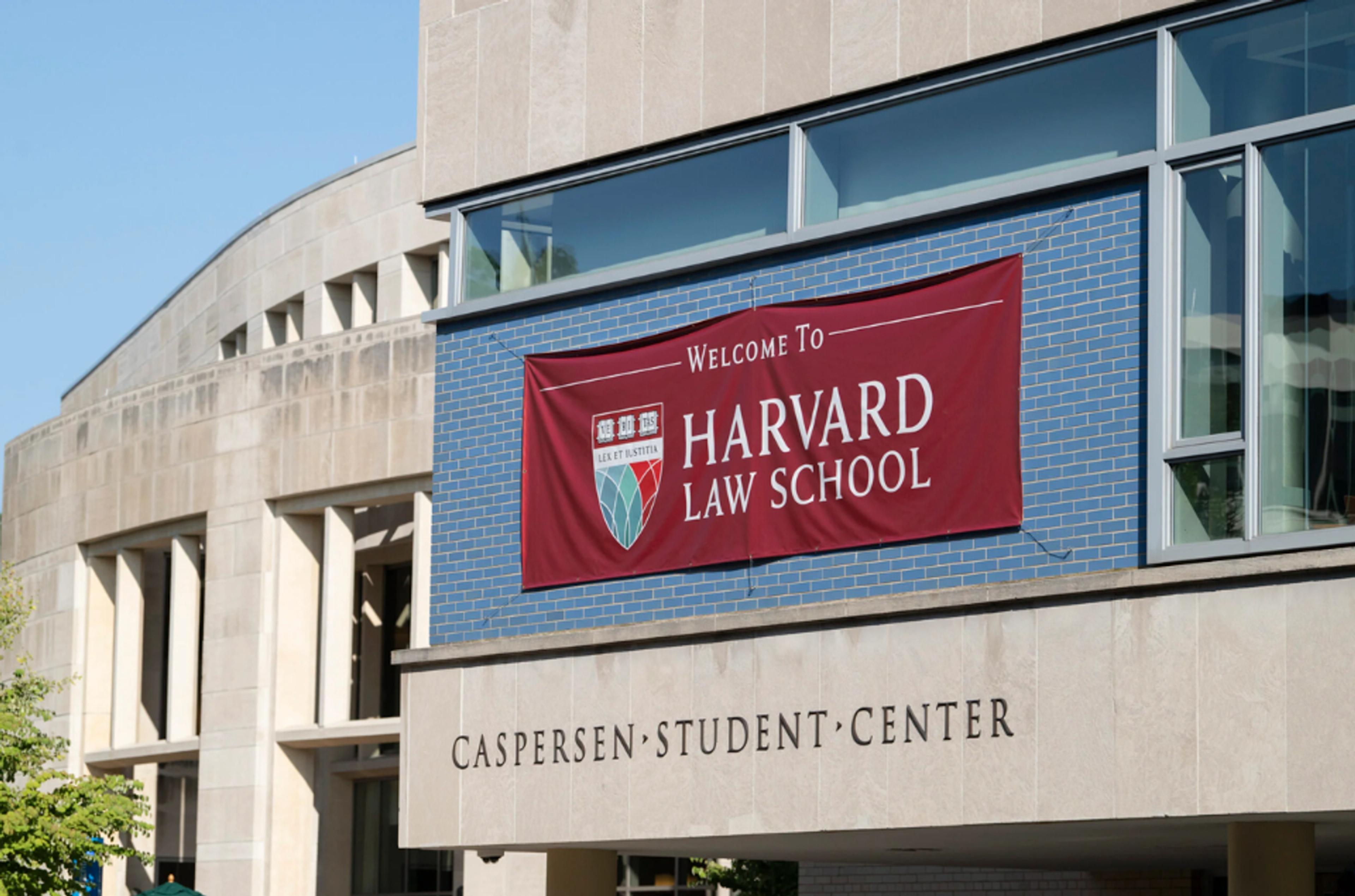
Harvard Law School’s SJD program stands as a beacon of excellence for aspiring legal scholars. Renowned for its groundbreaking research, the program is deeply rooted in international law, comparative legal studies, and the evolution of legal theory. Students are mentored by an exceptional faculty, many of whom are globally recognized experts in their fields. The program’s rigorous structure and vast resources ensure students develop impactful dissertations that shape the future of law. Harvard’s global network and its emphasis on practical applications of legal scholarship make it an unparalleled choice for those aiming to impact both academia and policy.
| Application Fee | $90 |
|---|---|
| Application Deadlines | April 1, 2026 |
| Duration | 3-5 years |
| Tuition Fee (first-year S.J.D. Student in 2025-2026) | $80,760 |
| Number of SJD students | 60 |
Key Features:
- Close mentorship from scholars such as Cass Sunstein and Martha Minow
- Access to unparalleled research resources, including the largest academic law library in the world
Admissions Requirements:
- Online application form
- Curriculum vitae or Résumé
- Recommendations (at least two)
- Transcripts
- Official TOEFL report (if applicable)
- Personal Statement (no more than 1,000 words)
- Summary of LL.M. Paper (no more than 500 words)
- LL.M. Paper (or the equivalent)
- Research Proposal (no more than 2,500 words)
- Financial aid application (if applicable)
Career Outcomes: Graduates often secure positions as tenured law professors, policy advisors, or leaders in international organizations such as the UN or World Bank.
Read: How to Get Into Harvard Law School
Yale Law School (JSD Program)
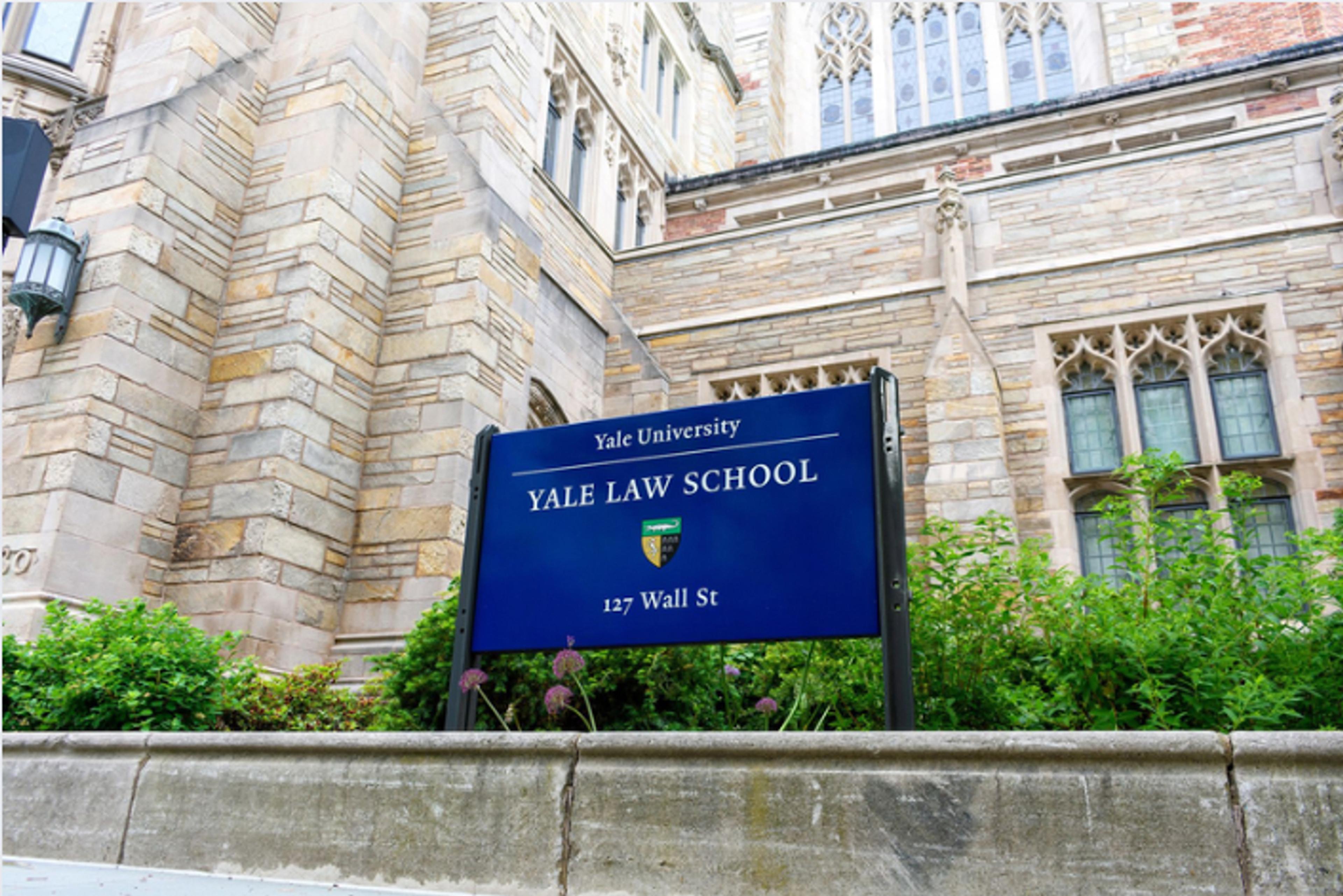
Yale’s JSD program also equates to an S.J.D. It offers an intimate and personalized educational experience tailored for students committed to producing groundbreaking scholarship. Known for its interdisciplinary focus, the program encourages students to integrate insights from philosophy, political science, and economics into their legal research. Yale ensures close collaboration and individualized mentorship. The program’s emphasis on legal theory and philosophy attracts students aiming to challenge and redefine the foundations of law.
| Application Fee | $75 (USD) Non-refundable |
|---|---|
| Application Deadlines | March 27, 2026, 5:00 PM |
| Duration | 3-5 years |
| Tuition Fee | $29,946 and $2,325, respectively, for the academic year An additional $200 fee for nonresident J.S.D. students per term A $200 fee applies upon dissertation approval |
Key Features:
- Access to the Sterling Law Library, one of the most comprehensive law collections globally
- Encouragement to engage in interdisciplinary studies, including courses at Yale’s renowned graduate schools
- Small cohorts for enhanced collaboration and networking
Application Requirements:
To be eligible to apply to the J.S.D. program at Yale Law School, applicants must:
- Hold a Yale LL.M. degree earned within the previous five years.
- Obtain confirmation from three faculty members willing to serve on their dissertation committee.
- Further instructions and submission details are available on the JSD Application Portal.
Required Application Materials:
- Letter of Application: A 3-page statement (double-spaced, 12-point font) outlining your goals for entering the J.S.D. program and explaining why Yale Law School is the best fit for your academic and professional objectives.
- Dissertation Proposal: A succinct, well-written description of your proposed research, typically 20-30 pages, demonstrating scholarly rigor and a clear research plan.
- Unofficial YLS LL.M. Transcript: Submit an electronic copy of your unofficial transcript via the application portal.
- Writing Sample: Ordinarily, this should be a substantial academic paper produced during your LL.M. studies.
- Curriculum Vitae (CV): A current CV detailing publications, educational background, and professional experience.
Career Outcomes: Yale SJD graduates often hold prestigious academic positions and leadership roles in global NGOs and think tanks.
Read: How to Get Into Yale Law School
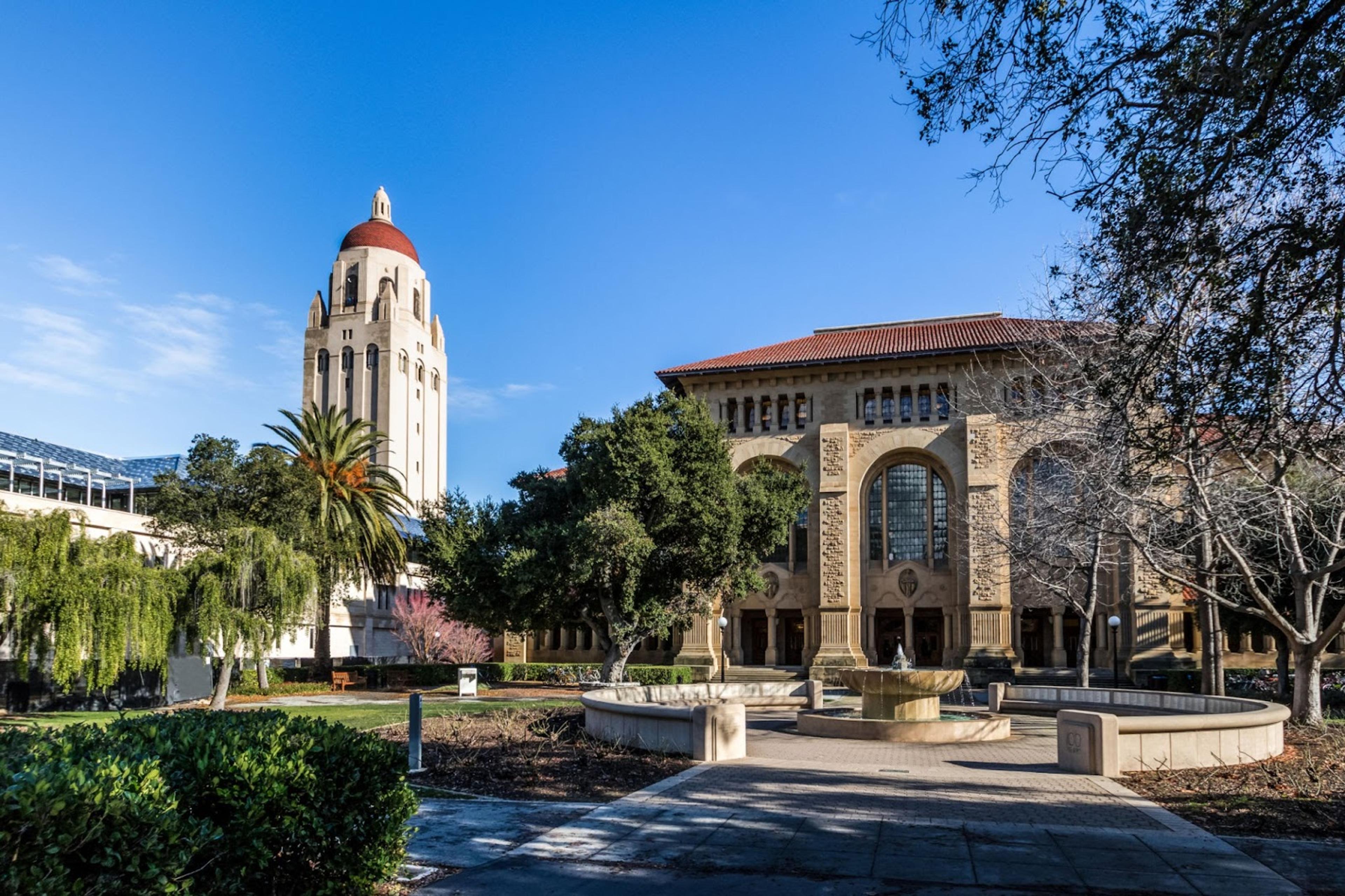
Stanford Law School (JSD Program)

The JSD (or Doctor of the Science of Law) at Stanford Law School is in many ways the holy grail of graduate legal programs, on par with a PhD. Designed specifically for those who are serious about a career as legal academics, the program is geared towards anyone who wants to teach or do research in law. The program is centered around writing and defending a dissertation, one that's supervised by a faculty committee, and can include professors not just from law but from other departments too.
Getting accepted is tough, as you might expect, and there are two main routes into the program: grads from our own Stanford Program in International Legal Studies (SPILS), and those with an LLM from Stanford or another American law school who show a clear readiness to do some serious research.
| Start of Application | February 2, 2026 |
|---|---|
| Application Deadline | April 1, 2026, 11:59 PM PT |
| Application Fee | $85 |
| Tuition Fee | $25,818 per quarter/ $77,454 |
Key Features:
- Research opportunities with institutions like the Stanford Institute for Human-Centered Artificial Intelligence
- Focus on interdisciplinary studies connecting law, economics, and public policy
- Strong emphasis on global legal challenges, including climate change and cybersecurity
Admissions Requirements:
- Graduate Study Application Form
- Application Fee
- Curriculum Vitae or Resume
- Personal Statement
- Two Letters of Recommendation
- Official Academic Transcripts
- TOEFL Score Report (if applicable)
Career Outcomes: Alumni often lead in academia, international consultancy, and technology-focused legal roles.
Columbia Law School (JSD Program)

Columbia’s JSD program provides an advanced and research-focused training in New York City. The program is designed for students who have already earned an LL.M. degree or its equivalent and are preparing for careers in legal academia. Each J.S.D. candidates complete their scholarly dissertation based on original research. They write a major dissertation, either one long work or three related articles, that adds new ideas to legal scholarship.
The program is widely recognized for its strength in international and human rights law, and its New York location places students near major courts, global organizations, and policy institutions that influence law and governance worldwide.
| Application Deadlines | March 15, 2026 (All the application materials should be sent directly to LSAC) |
|---|---|
| Application Fee | $85 (Non-refundable) |
| Duration | 3-5 years |
| Tuition Fee | $85,368 |
| Total University Charges | $93,757 |
Note: Applicants will be generally notified of admission decisions via email around mid-May.
Key Features:
- Collaboration opportunities with Columbia’s Human Rights Institute
- Access to the United Nations and international NGOs in New York City
Admissions Requirements:
- Personal Statement- This should be up to two pages long, using your own words (no AI or other assistance), formatted in 12-point font, double-spaced, and with 1-inch margins.
- Résumé or CV- Submit your most recent résumé or curriculum vitae.
- Advisory Committee- Identify three Columbia Law faculty (one chair, two members) who have agreed to serve on your committee. Include letters of recommendation from them; otherwise, the application is incomplete. Note: When contacting faculty, provide a cover letter, a 1-2 page dissertation abstract, and explain why they are a suitable mentor.
- Dissertation Proposal & Bibliography- A 10-page proposal (2,500 words) plus a 2-page bibliography, in English, 12-point font, standard margins, max 1 MB file. Include your advisory committee names, demonstrate originality, explain significance, outline methodology, and note potential challenges.
- Scholarly Writing Sample- Original English work only, max 1 MB.
- Application Fee- $85 nonrefundable and payable by credit card.
Career Outcomes: Columbia SJD graduates secure leadership roles in international organizations and top-tier academic institutions.
Read: How to Get Into Columbia Law School
New York University School of Law (JSD Program)
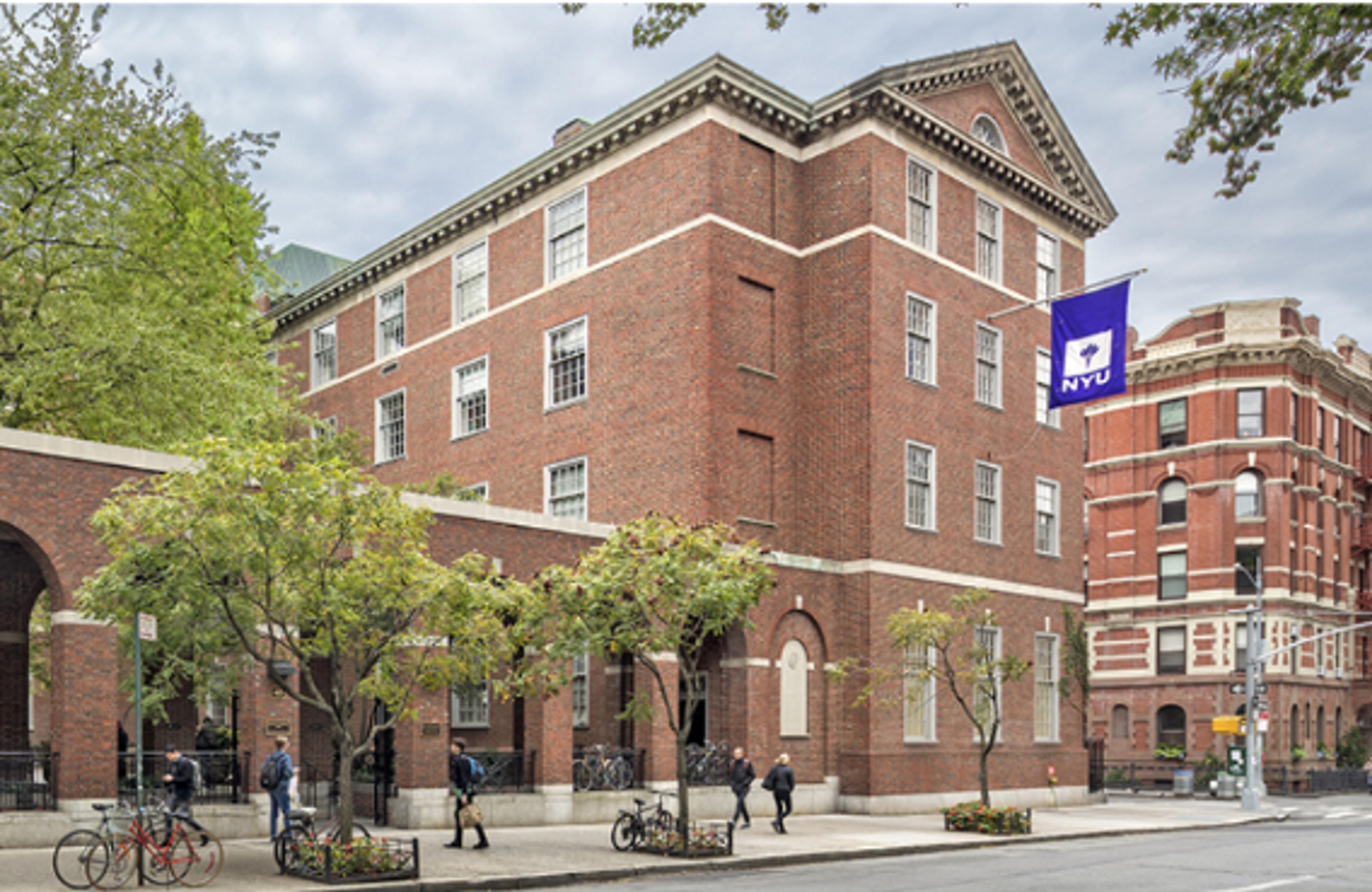
New York University’s JSD program is a selective research degree that trains students to create top-quality scholarship and prepare for careers in teaching law around the world. Many students join after finishing a master’s degree and work closely with faculty and research assistants to study international and comparative law, legal theory, and other areas of NYU Law. Following successful completion of the program, their articles and dissertations tend to appear in top legal reviews and professional publications.
All JSD students receive full tuition and fees plus a $42,000 USD annual stipend for four years.
| Application Deadlines | February 2, 2026 |
|---|---|
| Duration | 5-year maximum |
| Tuition Fee | $83,952 |
Note: The five-year mark marks the termination of eligibility for the JSD degree.
Key Features:
- Strong connections with global legal firms and international organizations
- Focus on publishing in leading law journals
- Supportive faculty renowned for their expertise in international and public law
Admissions Requirements:
- JD or LLM degree
- A proposed dissertation and a strong academic record
Career Outcomes: Graduates often pursue academic careers, policy leadership roles, or consultancy positions at institutions like the World Trade Organization.
For more detailed information, read the NYU JSD Policies and Procedures.
University of California, Berkeley (JSD Program)

Berkeley’s JSD program is the highest law degree offered at Berkeley and prepares students for careers in teaching, research, and other leadership roles in law worldwide. The program really puts the emphasis on independent study and original research. Students are expected to put all that into a top-notch dissertation that actually contributes something new to the field.
| Admission Fee | $80 |
|---|---|
| Application Deadlines | March 6, 2026 |
| Duration | 3 years |
| Tuition Fee | $16,932 (CA Resident) and $32,034 (Non-resident) |
Key Features:
- Small cohort for personalized research guidance
- Focus on interdisciplinary research, particularly in international and environmental law
- Close faculty mentorship from distinguished professors
Admissions Requirements:
- Official Academic Records (Transcripts)
- English Language Test Scores (TOEFL/IELTS) or Waiver Request
- Letters of Recommendation
- Faculty Advisor Agreement Form
Career Outcomes: Berkeley JSD alumni frequently pursue academic and research roles in universities, think tanks, and governmental agencies.
Visit UC Berkeley’s JSD official page to see the full application checklist.
University of Chicago Law School (JSD Program)

The University of Chicago’s JSD program is famous for taking big ideas in law and making them real-world relevant. It brings together law and economics, and also draws on public policy and political theory to show grads have a pretty good handle on all sides of things.
- Tuition Coverage: Full tuition is covered for up to five years.
- Living Expenses: $20,000 fellowship per year for the first two years in residence.
- Health Insurance: Free personal health insurance for the first two years in residence.
- Third Year Support: Students may apply for a third year of fellowship and health insurance (approval is decided individually by the Graduate Studies Committee).
| Application Begins | March 1, 2026 |
|---|---|
| Submission Deadline | April 1, 2026 |
| Completion Deadline | April 15, 2026 |
| Application Decision | May 15, 2026 |
| Duration | 3-5 years |
| Tuition Fee | $7,992 |
| Total Tuition and Fee | $41,730 |
Key Features:
- Focus on law, economics, and policy analysis
- Emphasis on interdisciplinary research
- Opportunities to teach and publish research
Admissions Requirements:
- JD degree and a comprehensive dissertation proposal
- Exceptional academic record and research potential
- TOEFL: Applicants must achieve a total score of 104 or higher.
- IELTS: Applicants must earn an overall band score of 7.5 or above, with a minimum of 7.0 in each section.
Career Outcomes: Alumni excel in academia, policy analysis, and leadership roles in public and private sectors.
Check the official application checklist for those who have attended UChicago Law here and for non-UChicago Law graduates here.
University of Pennsylvania - Penn Carey Law
The Doctor of Juridical Science (SJD) program at University of Pennsylvania Carey Law School is a program that paves the way for lawyers to become professors and full-blown legal scholars. It is all about doing serious research and completing a major dissertation that brings some fresh ideas to the table and actually contributes to the theory or practice of law.
| Applications Open | October 1, 2025 |
|---|---|
| Application Deadlines | March 15, 2026 |
| Decision Schedule | Mid-June |
SJD Tuition
Penn Carey Law supports eligible SJD students with fellowships that cover full tuition, health insurance, and a living stipend for up to three years in residence, usually for three students at a time. This makes the SJD program a lot more accessible. For the first year, tuition is 20% of the LLM rate plus a tech fee, then 8% plus a tech fee in years 2 and 3 if you're still in residence, and 4% plus a tech fee if you're not. These fellowships basically give you the chance to train up some top-notch legal scholars and future global leaders.
Program Requirements
- You need to be on campus for your first full academic year.
- Complete at least 6 graded credit hours during the first year, including required SJD-related coursework.
- Secure a Penn Carey Law faculty advisor, who will chair the dissertation committee.
- Form a three-member committee (at least two must be Penn Carey Law faculty).
- Submit and refine a detailed dissertation proposal with a working bibliography.
- Produce an original, substantial, and publishable-quality scholarly dissertation.
- You'll need to pass an oral defense in front of your committee.
- The degree is typically completed within three years, which is subject to faculty approval and progress requirements.
Career Outcomes: Graduates lead in academia, high-impact policy-making, and global consultancy roles.
University of Virginia School of Law (SJD Program)
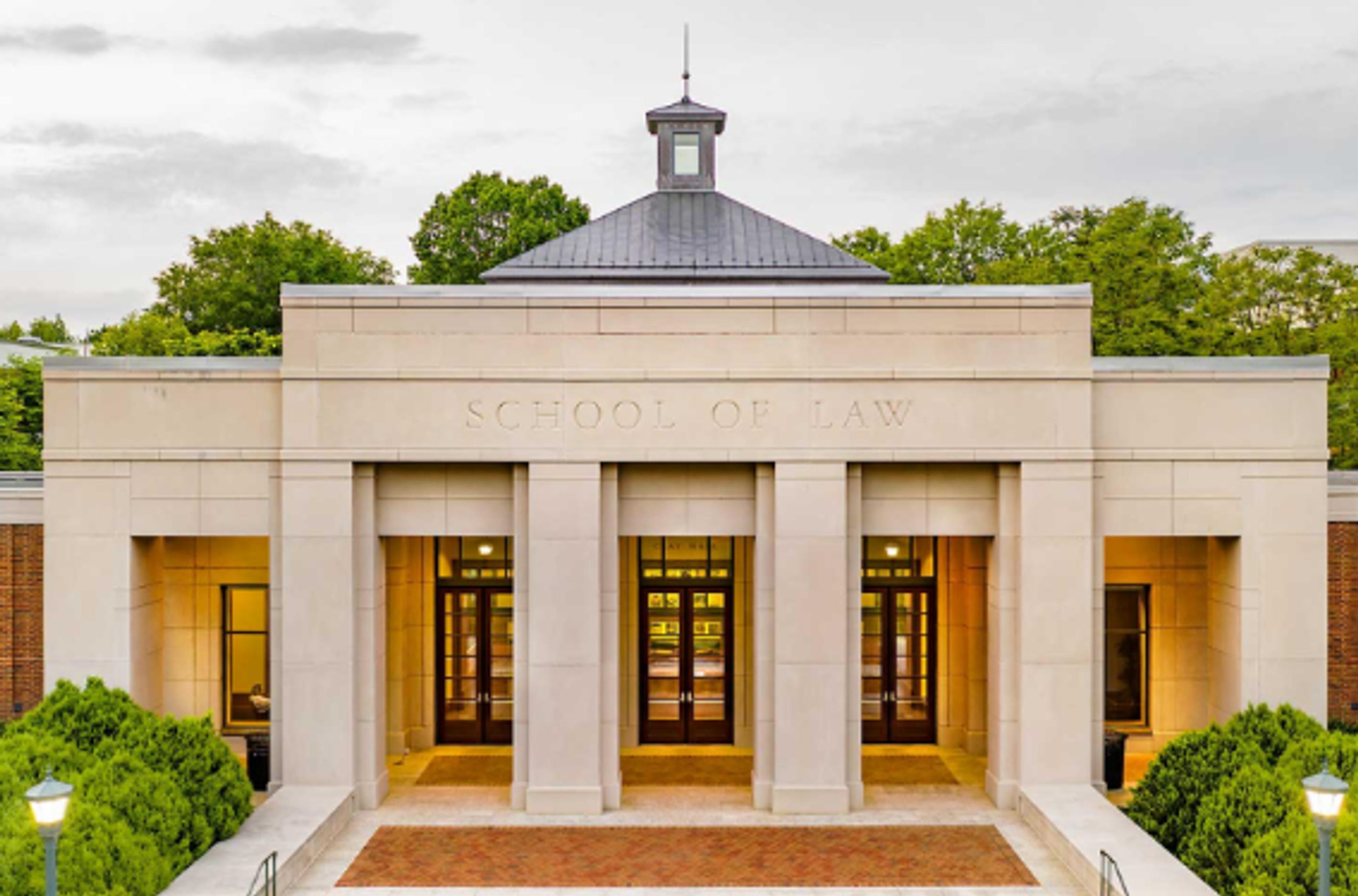
The SJD program at the University of Virginia is a research doctorate for students who have completed an LLM degree and wish to become SJD candidates. During the residency period, they work closely with faculty to conduct independent research and produce a dissertation that makes an original contribution to legal scholarship. The program emphasizes comparative constitutional law and international law, preparing graduates for careers in academia, government, and international organizations.
| Application Deadlines | April 1, 2026 |
|---|---|
| Duration | 5 years |
| Tuition Fee | $74,078 (resident) and $76,396 (non-resident) |
| Budget for the Total Cost of Attendance | $106,670 (resident) and $109,670 (non-resident) |
Degree Requirements
- Minimum Credits: Complete at least 30 semester credits through the approved first-year study plan, dissertation research in residence, and the S.J.D. colloquium.
- Dissertation: Produce a doctoral dissertation that makes an original contribution to legal scholarship and demonstrates advanced research and analytical ability.
- Oral Defense: Successfully defend the dissertation before a faculty committee composed of the supervisor and two additional members.
- Time Limit: Finish all degree requirements within five years of admission (extensions granted only for approved good cause).
Career Outcomes: UVA SJD graduates often join academia or work in high-level policy and legal advisory roles.
Duke University School of Law SJD Degree
The Doctor of Juridical Science (SJD) at Duke Law is the highest degree you can earn in the university. It is for the people who want to study law deeply, teach it, and influence legal ideas around the world. Unlike a JD or LLM, which help you become a lawyer, the SJD is for students who want to create new knowledge and become leaders in legal scholarship.
| Admission Fee | $105 |
|---|---|
| Application Deadlines | March 1, 2026 |
| Tuition Fee | $80,100 |
Key Features:
- Top faculty mentorship from world-leading legal scholars
- Tailored dissertation guidance and research support
- Access to Duke’s libraries, research centers, and interdisciplinary programs
Admissions Requirements:
- Law Degree: First law degree (JD, LLB, or equivalent) from an accredited institution.
- LLM: Completed LLM at an accredited American law school (or equivalent for some international applicants).
- Writing Sample: A substantial legal writing sample.
- Research Proposal: 2-5 pages describing your intended dissertation topic.
- Recommendations: At least 3 letters that include one from an LLM professor.
Career Outcomes: Graduates become law professors, researchers, or policy experts worldwide.
The Bottom Line
Pursuing an SJD or JSD degree is a significant commitment that opens doors to prestigious careers in academia, legal research, and policy-making. These advanced law degrees provide students with the skills and knowledge needed to make a significant contribution to the legal field. Whether you are looking to teach law, engage in policy work, or pursue legal research, choosing the right program is essential for achieving your career goals.
Work with Law School Admissions Coach
Law School Admissions Coaches can help you perfect your application, from your research proposal to your personal statement. Get expert guidance today to improve your chances of acceptance.
See: The 10 Best Law School Coaches | Law School Admissions Consulting That Works
Top Coaches
Here are some related articles that can help you navigate the law school admissions process and choose the right advanced law degree program for your goals.
- LSAC Credential Assembly Service (CAS): What it Is and How It Works for Law School Applications
- How to Get Into Law School: Advice from an Expert
- How to Choose a Law School: An Essential Guide for Prospective Students
- Law School Application Deadlines (T20 Programs)
- How Many Law Schools Should You Apply To?
- How to Get Into a T14 Law School
FAQs
What is the difference between an SJD and a JSD degree?
- Both the SJD (Doctor of Juridical Science) and JSD (Doctor of the Science of Law) are advanced law degrees focused on legal research and scholarship. The primary distinction lies in their emphasis: the SJD program often concentrates on international law and comparative legal studies, while the JSD program places a stronger emphasis on the science of law and its theoretical foundations. Both degrees require the completion of original research and a dissertation.
What are the typical admission requirements for SJD and JSD programs?
- The admission process for both SJD and JSD programs is highly competitive. To be eligible, you typically need a JD degree or its equivalent, but in some cases, an LLM (Master of Laws) degree is also required. The key part of the application is the research proposal: you must submit a detailed study plan or proposed dissertation topic. You’ll also need letters of recommendation from professors or professionals in the legal field who can speak to your academic abilities and potential for original research. If you’re considering applying, we’ll work together to make sure your proposal is compelling and aligned with the program’s focus.
How long does it take to complete an SJD or JSD program?
- From a coach’s perspective, the length of these programs typically spans three to five years. In the first year, you’ll engage in coursework and comprehensive exams, followed by several years dedicated to your dissertation research. Some students might take longer, depending on the complexity of their research topic and how well they work with their committee chair to refine and complete their dissertation. It’s important to stay committed and organized throughout the process to meet milestones on time.
What career opportunities are available for graduates of SJD and JSD programs?
- Graduates of these programs often pursue academic careers. Many go on to teach at law schools, engage in legal research, or publish articles in top-tier journals. Additionally, many pursue careers in policy analysis, contributing to legal reform or working with international organizations. The research and writing skills you develop during your time in the program can also open doors to high-level legal positions in both private and public sectors. The key is to focus your research on a significant contribution that can be leveraged in your career.
Are SJD and JSD degrees recognized and valued in the United States?
- In the U.S., the JD degree is considered the standard qualification for practicing law, so SJD and JSD degrees aren’t as common in the legal practice setting. However, these degrees are highly respected in academic circles and in international law. If you’re planning on teaching law, publishing research, or contributing to legal policy, an SJD or JSD can set you apart from other candidates. From a career perspective, these degrees are invaluable if you’re looking to pursue academic roles or advanced legal research globally.
What are the steps to become eligible to practice law in the United States?
- To become eligible to practice law in the United States, individuals must first complete a JD (Juris Doctor) program. After obtaining the JD degree, graduates must pass the bar exam in the state where they wish to practice. Successfully passing the bar exam grants them the license to practice law. This process ensures that attorneys are qualified and meet the necessary legal standards to represent clients and provide legal advice.