How to Become a Business Coach: What It Pays, Who It's For, and How to Get Your First Clients
Learn how to become a business coach with a real blueprint: what to charge, how to choose your niche, and how to land your first clients.
Posted June 12, 2026




Join a livestream
Learn from top experts and industry experts in live, interactive sessions you can join for free.
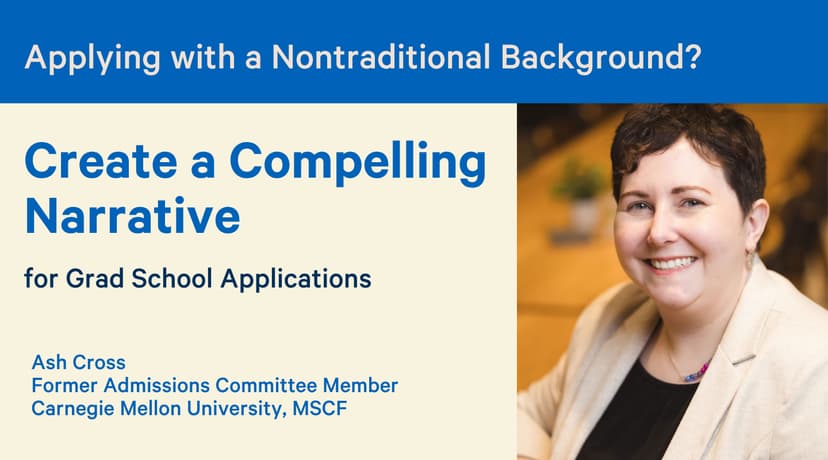 Oct 20, 2026 at 3:30 PM25 registered
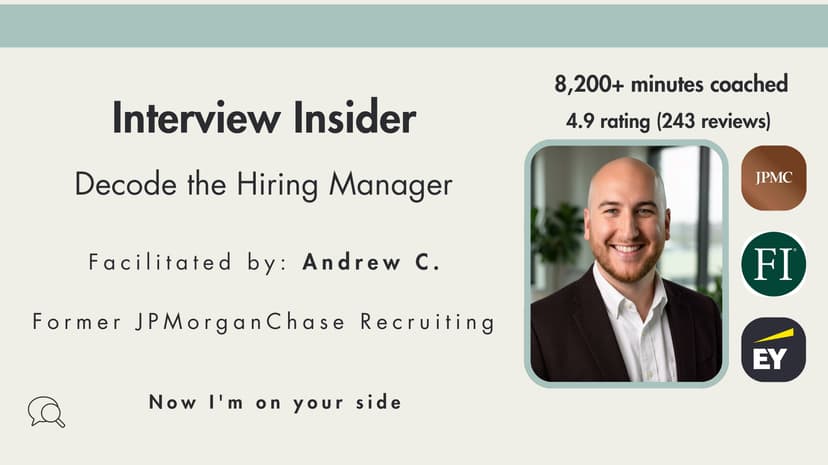 Oct 20, 2026 at 4:00 PM130 registered
 Oct 21, 2026 at 2:00 PM47 registered

 Oct 21, 2026 at 3:00 PM4 registered
Table of Contents
Someone, at some point, maybe a founder you informally advised or a colleague you coached through a career crisis, said the words: "You should charge for this." And you nodded, filed it away, and went back to your actual job. But the idea stuck. You've spent 15 or 20 years building real knowledge in a real domain. You've solved the same category of problem dozens of times. You know things that other people would pay to learn. The question to ask yourself isn't whether you could coach. It's whether you understand how business coaching works as a business (the economics, the client pipeline, the pricing, the first 90 days).
You don't need all the answers before you start. But you do need the right framework, and that's what this article gives you. You'll learn what business coaches actually charge, how to find new clients, how to choose a niche that commands premium rates, and what the first 90 days of building a practice look like. It's written for professionals who already know business and need the model.
Read: How to Become a Coach: A Step-by-Step Guide to Turning Your Expertise Into a Coaching Career
What a Business Coach Actually Does (And How It Differs from Consulting)
The core distinction between coaching and consulting is a business decision that determines what the people you work with expect, what you deliver, and what you can charge.
A business coach helps their client develop the capacity to solve problems on their own. A consultant in business consulting solves the problem for them. A business coach working with a founder on scaling from $2M to $10M in revenue asks the right questions and holds the founder accountable to their own strategy. A consultant delivers the strategy. One builds the client's muscles. The other does the lifting.
Most experienced professionals who become business coaches end up doing both, and that's a feature, not a flaw. You might coach a founder through developing their hiring philosophy while also consulting on the specific job description and interview process. The blend is natural when you have deep domain knowledge, and it often commands premium rates because the people you work with get capability-building and tactical answers at the same time.
Three archetypes help make business coaching concrete:
- The operations coach helps founders systematize their business. This looks like an ex-COO coaching a founder through their first VP of Ops hire: by helping them articulate what operational excellence means for their specific business, what they should focus on in a candidate, and how to evaluate fit. Business performance improves because the founder now owns the thinking behind it.
- The growth coach helps small business owners accelerate revenue. An ex-CMO coaching a services firm on pricing strategy, for example, helps the business owner see their own pricing through a clearer lens, identify where they're leaving money on the table, and build the confidence to raise rates. This is the business world in action: real knowledge applied to real problems by someone who has lived through them.
- The leadership coach helps executives develop management skills. A former CHRO coaching a first-time CEO through building their leadership team works through questions like "What kind of culture do I actually want?" and "How do I give feedback that lands?" These coaching skills don't come from a textbook. They come from having been in the room when those decisions get made.
One thing to understand clearly: business coaching is an unregulated profession. No license is required. No degree is mandatory. Credibility comes from your professional background and the results you produce. An ex-McKinsey partner doesn't need a coaching certificate to help someone prep for a strategy interview. A former CFO who has guided three companies through IPOs doesn't need certification to help entrepreneurs understand their financial model.
Do You Have What It Takes? Assessing Your Readiness to Coach
The question isn't "Am I qualified?" It's "Can I point to specific evidence that I'm qualified?" No one becomes a successful business coach by having all the answers. They become one by having the right answers for a specific set of problems, reliably, with proof.
Here's a framework for evaluating your own readiness:
Domain Depth
Can you point to five or more years of firsthand experience solving the specific type of problem your clients would hire you for? Not adjacent experience. Not "I understand the concepts." Direct experience doing the thing in the business world.
Pattern Recognition
Have you seen enough situations that you can quickly diagnose what's happening in a business and identify the two or three highest-leverage moves? This is different from domain depth. Someone with five years of experience might have seen five variations of the same situation. Someone with 15 years has seen 50 variations and can pattern-match almost instantly. That pattern recognition is one of the most valuable coaching skills you can develop, and it isn't something you can acquire through private study alone.
Track Record Of Helping
Have you already helped people informally: mentored a colleague through a negotiation, advised a friend's startup through a pivot, helped small business owners restructure their pricing, and actually seen results?.
If you can answer yes to all three, you're ready. The certification question is secondary.
Specific professional backgrounds that translate directly to business coaching include former founders who exited or shut down (you've lived the full lifecycle and can coach from real scar tissue), former VPs or directors of operations, finance, or strategy who've run the organization and know where it breaks, management consultants who've spent careers diagnosing and solving business problems professionally, fractional executives who've already been coaching without calling it that, and former sales leaders who understand revenue generation viscerally.
Here's the reframe that matters: if you've been giving this advice informally for years and people have acted on it and gotten results, you are already coaching. The only thing missing is the business model around it. You don't need permission. You don't need a certificate. You need a profile on a platform that brings the people you'll coach to you, and a system for converting interest into paid engagements.
Business Coach Certification: When It's Worth It and When It's Not
Once you've established that your domain knowledge and track record qualify you to coach, the next question most professionals ask is: Should I get certified? Let's address this directly: you do not need certification to become a business coach. The coaching industry is unregulated. No licensing body or organization controls who can call themselves a coach. The question isn't whether you're legally allowed, because you are. The question is whether certification strategically advances your specific goals.
The ICF Landscape
The International Coaching Federation (ICF) is the world's largest professional coaching organization and the most widely recognized credentialing body in the coaching industry. It offers three credential tiers:
- ACC (Associate Certified Coach): Requires 60+ hours of coach-specific training and 100+ hours of coaching experience, of which at least 75 must be paid
- PCC (Professional Certified Coach): Requires 125+ hours of training and 500+ hours of experience, of which at least 375 must be paid
- MCC (Master Certified Coach): Requires 200+ hours of training and 2,500+ hours of experience, of which at least 2,250 must be paid, and applicants must already hold the PCC credential
Cost for ICF-accredited coach training programs: $3,000 to $15,000+. Duration: 6 to 18 months.
Some professionals also pursue additional learning through private study, self-directed reading, and peer coaching circles alongside formal programs. While private study builds knowledge, accredited coach training carries the credential weight that enterprise buyers look for.
University-Based Programs
Georgetown, Columbia, Northwestern, NYU, and Harvard DCE all offer executive coaching certificates. These carry academic brand prestige and often include ICF-accredited hours. Costs vary by program: Georgetown's Leadership Coaching Certificate is priced at $13,995 for its full 8-course, 8-month cohort program as of 2026. Other university programs range from roughly $10,000 to $29,000+, depending on format, length, and institution.
Here's how they differ for coaches with specific goals:
- Georgetown's Leadership Coaching Certificate is best for coaches targeting enterprise and government organizations. It emphasizes Immunity to Change methodology and draws from organizational psychology, making it a strong choice for coaches focused on deep behavioral change work.
- Columbia's Coaching Certification suits coaches who want a rigorous, research-backed foundation. Its integration of positive psychology appeals to coaches working with high-performing executives and entrepreneurs.
- Northwestern's Executive Coaching Certificate is designed for working professionals. Its flexible schedule and emphasis on practical coaching hours over coursework make it the most accessible option for those who are building their practice while completing the program.
- NYU and Harvard DCE carry institutional name recognition that matters most when selling services to Fortune 500 HR buyers who use academic brand as a vendor filter. If enterprise contract work is your target, these programs are worth the investment.
| Path | Cost Range | Duration | Best For |
|---|---|---|---|
| ICF ACC | $3,000-$8,000 | 6-12 months | Coaches building foundational skills; corporate contracts requiring a minimum ICF credential |
| ICF PCC | $8,000-$15,000+ | 12-18 months | Coaches pursuing enterprise leadership coaching at scale |
| University programs | $10,000-$29,000+ | 6-12 months | Coaches targeting Fortune 500 HR buyers who filter on academic brand |
When Certification IS Worth It
You want to coach at the enterprise level, where HR departments in large organizations use ICF credentials as a vendor filter. Enterprise coaching programs and corporate contracts often require ICF certification as table stakes, because it's a box the procurement team needs to check. Students of the coaching profession who want to complete a structured training program before launching also benefit from the discipline and accountability a formal course provides.
You're entering a domain where you don't have deep practitioner experience. If you're a former marketer who wants to coach on operations, a structured coach training program will fill a credibility gap and give you the tools to work confidently outside your core background.
When Certification Is NOT Worth It as a First Step
You have 10+ years of business experience. You're targeting small business owners, founders, or individual executives who hire based on relevant results, not credentials. Your time and money would be better spent getting your first five paying clients.
The biggest mistake aspiring business coaches make is spending 12 months and $10,000 on certification before ever coaching anyone. If you have real domain knowledge, your fastest path to revenue is to start coaching now. Certification can happen in parallel or later if you want it for specific strategic reasons. Coaching success starts with getting in the room with real people. The coaching industry rewards practitioners who get results far more than it rewards those who successfully complete every available course.
Leland's vetting process evaluates your professional background, domain knowledge, and ability to deliver results. If your career demonstrates that you've solved the problems the people you coach need help with, that track record is the credential that matters on the platform.
Read: How to Become an Executive Coach: Certifications, Salary, and How to Build a Practice
How to Choose Your Business Coaching Niche
"Business coach" is a commodity. "Coach for first-time founders scaling from $1M to $10M in revenue" is a premium professional business coaching service.
The difference isn't semantic. Specificity in the business world lets you charge more because the person hiring you perceives you as the expert for their exact situation. It attracts better-fit clients because they self-select. And it makes it easier to find because you know exactly where your target audience is and what they're searching for.
Here's a three-question framework for identifying your niche:
- What type of business leader have you been? - Founder, executive, operator, functional leader? Your professional background defines who trusts you immediately. An entrepreneur will trust another entrepreneur's perspective on the loneliness of the role. Someone who's managed a sales team will trust a coach who has carried a quota.
- What specific problem have you solved repeatedly? - Scaling teams, turnarounds, pricing strategy, go-to-market, operational efficiency, and financial planning? The problem you've solved most often is the problem you should focus on. The one you've actually solved, with evidence and real business results to show for it.
- What stage or size of business do you understand best? - Pre-revenue startup, $1M to $10M small businesses, $50M+ enterprise? Coaching a solopreneur and coaching a Fortune 500 VP require completely different contexts, different tools, different communication styles, and different definitions of success. Specificity here prevents mismatched engagements and protects your professionalism.
Three concrete examples of niches at the right specificity level:
"I help B2B SaaS founders hire and manage their first VP of Sales." (This coach is a former sales leader with startup experience and firsthand experience navigating that exact hire.)
"I coach restaurant and retail owners through their first multi-location expansion." (This coach was a multi-unit operator who had lived the operational and financial complexity of that growth stage.)
"I help newly promoted directors at large companies navigate their first year of managing managers." (This coach was a VP of Operations at a Fortune 500 and has seen what separates the directors who thrive from those who wash out.)
Each example names the client type, the specific problem, and implicitly signals the background that qualifies the coach.
The anti-niching warning: "I coach anyone who runs a business" sounds inclusive but is functionally invisible in a crowded coaching industry. An entrepreneur searching for help with scaling won't click on a generic professional business coach profile when someone else's says, "I've scaled three SaaS companies from $2M to $20M ARR and I help founders do the same."
What Business Coaches Charge: Pricing Models and Rate Benchmarks
This is where most aspiring coaches freeze. They have no reference point in the business world. They either undercharge dramatically, signaling to sophisticated buyers that they don't take themselves seriously, or they avoid the question entirely and never send the invoice.
Here are real rate benchmarks by niche and engagement type, updated for 2026:
| Niche | Per-Session Rate | Monthly Retainer | Best For |
|---|---|---|---|
| SMB / Founder coaching | $200-$400/session | $2,000-$6,000/month | Founders, small business owners, first-time CEOs |
| Executive / Leadership coaching | $350-$600+/session | $3,500-$12,000+/month | Directors, VPs, C-suite at larger companies |
| Startup advising / coaching | $250-$450/session | Equity + retainer hybrids | Early-stage entrepreneurs who may offer equity compensation |
| Specialized niche coaching | $400-$750+/session | $5,000-$15,000+/month | Coaches with deep, specific domain knowledge in high-demand verticals |
Top coaches with strong track records and niche authority exceed these upper bounds. These are starting ranges.
Three Packaging Models
- Per-session: Typically 60 to 90 minutes. Best for early-stage coaches building a client base or for business owners who want ad-hoc access. Simple to sell, simple to deliver. The downside is that income is directly tied to hours worked, which limits how far you can scale your coaching business.
- Monthly retainer: Two to four sessions per month plus async support via email, Slack, or Voxer. Best for ongoing coaching relationships where accountability and continuity matter. This is the most profitable model at scale because it creates predictable revenue, supports deeper client relationships, and gives you the stability to focus on quality rather than volume.
- Fixed program: A three to six-month engagement with defined milestones and deliverables. A "90-Day Scale Program," for example, includes weekly coaching sessions, specific frameworks, and a clear business performance outcome. This model is best for coaches who have a repeatable methodology and want to productize their knowledge. A strong coaching program also creates consistent delivery and makes your results easier to reference in testimonials, which accelerates your growth.
The Underpricing Trap
The most common pricing mistake new coaches make is anchoring to their own discomfort rather than the value they deliver. A small business owner who pays you $3,000 per month and avoids one $50,000 hiring mistake got a 16x return on their investment. A VP who pays you $500 per session and negotiates a $30,000 raise in their next performance review got a 60x return on the first session alone.
Price based on value delivered. If you have 15+ years of business experience, charging $100 per hour signals to sophisticated buyers that you don't take yourself seriously. They'll wonder what's wrong.
The rate-setting action step: Start at the lower end of your niche range for your first three to five engagements while you build testimonials and a track record. Then raise rates by 20 to 30 percent every quarter until you feel real resistance. The right price is the one where people say yes without flinching, but where you occasionally lose a deal on price.
On Leland: Coaches set their own rates and raise them as reviews and reputation grow. There's no platform-imposed rate cap. The vetted marketplace model means business owners and entrepreneurs arrive expecting to pay $200 to $750+ per session. This isn't a race-to-the-bottom open marketplace where you're competing on price against unvetted coaches charging $30 per hour.
Top Coaches
How Business Coaches Actually Get Clients (And Why Most New Coaches Get This Wrong)
Pricing tells you what you'll earn per session. But income is also a function of volume, and volume is a client acquisition problem. Here's what nobody tells you: most new coaches spend 70 percent of their time on marketing and 30 percent on actual coaching during the first year. The majority of coaching businesses that fail don't fail because the coach wasn't skilled. They fail because the coach couldn't find people to work with consistently.
This is the real business model problem, and it's the one thing no "how to become a business coach" guide actually addresses. Understanding how to get business coaching clients is arguably more important than any training program you'll complete.
The Real Acquisition Channels
Referrals and warm network: Your best early business coaching clients are people who already know and trust you. The problem is that referrals are unpredictable and unscalable. You can't build a coaching business on "maybe someone will mention me to the right person at the right time." Start here, but don't rely on it as your only channel for finding new clients.
LinkedIn content and thought leadership: Effective long-term. Posting substantive content about the problems you solve builds credibility and generates inbound inquiries. The problem is that it takes 6 to 12 months of consistent effort to generate meaningful lead flow. The format that works best is the "case study micro-post": a short story about a specific business problem you helped solve (anonymized), ending with the one insight that made the difference. These posts consistently outperform generic advice content because they demonstrate pattern recognition, which is exactly the coaching skill prospective clients are paying for.
Here's a template structure for a high-performing LinkedIn case study post:
[Hook: name the specific problem] - One of my clients, a $3M ARR SaaS founder, came to me because she'd tried to hire a VP of Sales three times. Each hire failed within 90 days.
[What you diagnosed] - The problem wasn't the candidates. It was that she hadn't defined what "VP of Sales" actually meant for her stage of business. She was hiring for what the title sounds like.
[What shifted] - We spent one session building a simple framework: what does this person need to accomplish in the first 30, 60, and 90 days to count as successful? Once she had that clarity, the next interview process was completely different.
[The result] - Her fourth VP of Sales hire has been in the role for 14 months and just closed their best quarter.
[The insight] - Most early-stage hiring failures are a clarity problem.
This is not a month-one strategy. Start the clock early, but expect 6 to 12 months before it generates consistent inbound inquiries.
- Independent website and SEO - High setup cost in time and potentially money. Takes months to rank. Requires marketing tools and skills most coaches don't have: keyword research, content strategy, and technical SEO. If you do build a site, start with a single landing page: your positioning statement, three specific business results you've delivered, and a booking link. A five-page website with an "About" page and a blog you'll never update is worse than no website at all. Unless you have these skills or plan to hire for them, this is a year-two project.
- Vetted marketplace platform (Leland) - This is the structural solution to the client acquisition problem. Leland's content ecosystem, SEO infrastructure, and marketplace bring entrepreneurs, founders, executives, and small business owners who are actively searching for coaching. You build a profile, set your rates, and start receiving inquiries without building a marketing engine from scratch. The platform handles demand generation. You handle the coaching.
- Enterprise and corporate contracts - High-value but slow. Requires ICF credentials, a formal organization-level sales process, and typically 12+ months to land your first contract. This is not a starting point unless you have existing corporate relationships and the professionalism signals that large organizations require before signing a vendor.
How the Vetted Marketplace Model Works
Leland evaluates coaches on domain knowledge and professional background. The platform generates demand through content, community, events, and SEO, so business owners and entrepreneurs find you through the marketplace rather than you finding them through cold outreach. You own your profile, set your rates, and build a reputation as reviews accumulate. Because Leland screens coaches before they join, the people who find you arrive willing to pay rates that reflect real knowledge and real results. You're not competing on price in an open marketplace with no quality floor, so your focus stays on delivering great coaching.
The Warm Network Outreach Message
Here is the actual message structure that works when telling your existing network you're coaching professionally:
Subject: Coaching professionally now, thought of you
Hi [Name],
I've started taking on business coaching clients professionally, focusing on [specific niche]. Over the past [X years] at [Company/Role], I [one-line specific accomplishment relevant to your coaching focus].
I'm offering a few complimentary discovery sessions to professionals in [target industry or role] while I build out my practice. No pitch, just a conversation focused on your business. If you or someone in your network is working through [the specific problem you solve], I'd value the exchange.
Here's my Leland profile if you want to see how I'm positioning things: [link]
Keep it specific. Keep it short. Don't apologize for reaching out. This is a professional service backed by real business experience, and your network will treat it that way if you do.
The Acquisition Strategy, Sequenced
- Weeks 1 to 2: Join Leland to start building visibility. Apply with your professional background and domain knowledge. This is your foundation. Get it set up first.
- Weeks 2 to 4: Tell your existing network you're now coaching professionally. Offer two to three complimentary or discounted sessions to people in your target niche to generate testimonials. You need proof. Get it early.
- Months 2+: Begin posting on LinkedIn one to two times per week about the specific business problems you help solve. Avoid posting "I'm a coach now!" announcements. Substantive content that demonstrates your knowledge. This is a long-term play. Start the clock early.
- Months 3 to 6+: Consider an independent website once you have five or more paying clients and understand your market positioning. By then, you'll know what messaging resonates because you'll have real conversations to draw from.
The pattern is consistent across coaches who build practices that last: the people who hire you in the early months come from trust you've already built. Your warm network knows your professional background. Leland connects you with business owners and entrepreneurs who are actively looking for someone with it. LinkedIn builds that trust at scale over time. Start all three in that order.
Your First 90 Days: A Business Coaching Practice Launch Timeline
This is the operational plan, specific enough to print out and check off.
Weeks 1 to 2: Define Your Positioning
Using the niching framework from above, write a one-paragraph positioning statement: "I help [specific client type] with [specific problem] using [what you bring from your experience]."
Example: "I help B2B SaaS founders in the $2M to $10M ARR range build and manage their first sales team. I spent 12 years in sales leadership at two startups that scaled from seed to Series C, and I've hired over 40 salespeople across multiple business cycles."
Set your initial rates using the benchmarks from the pricing section. Start at the lower end of your niche range. You'll raise them as you build your reputation.
Weeks 2 to 4: Build Your Platform Presence and Activate Your Network
Create your Leland profile. Apply with your professional background and domain knowledge. Write a profile that leads with outcomes you've delivered and problems you solve.
Be specific: "Helped three entrepreneurs build operations teams that supported $5M+ ARR growth" beats "Experienced operations leader with a track record of success."
Simultaneously, contact 10 to 15 people in your existing network: former colleagues, friends who run small businesses, people you've informally advised. Tell them you're now a professional business coach. Offer two to three complimentary discovery sessions to people in your target niche. The goal is testimonials and early proof that your approach works.
Weeks 4 to 8: Conduct Your First Paid Sessions
Start with what you know: the business problems you've solved a hundred times in your career. After each session, ask for a written testimonial. Be specific in the ask: "Would you be willing to write two to three sentences about what you got out of our session and what changed for you as a result?"
Update your Leland profile with testimonials and any measurable business results. Begin posting on LinkedIn one to two times per week, with domain knowledge content. If you're a sales coach, write about sales strategy. If you're an operations coach, write about scaling systems and managing organizational growth. The content should demonstrate that you know your domain deeply. Active listening to what your early clients are actually asking is one of the most underrated tools for developing content that resonates.
Months 2 to 3: Evaluate and Adjust
Are people finding you through the marketplace, through your network, or through LinkedIn? Double down on the channel that's working. If Leland is generating inquiries, optimize your profile and response time. If referrals are driving business, systematize the ask: after every engagement, ask satisfied clients if they know anyone in their professional community who could benefit from similar support.
Raise your rates by 15 to 25 percent once you have three or more strong testimonials. If you're not losing any deals on price, you're not charging enough.
The Month-Three Checkpoint
Set a target: five paying clients by the end of month three. If you're not there, the problem is almost always one of two things: your niche is too broad (refine it), or your profile and positioning don't communicate the specific value you deliver (rewrite with more specific outcomes and client types).
If you have five or more paying clients at rates in line with your niche benchmarks, you have a coaching practice. The next phase is scaling: adding clients, raising rates, and deciding whether to build a full-time coaching business or maintain coaching as a high-value income stream alongside other professional work.
The final assessment of whether your practice is working comes down to three numbers at the end of month three: number of paying clients, average rate per session, and repeat booking rate. If all three are growing, you have a flywheel. If one is stalling, that's where to focus your learning and adjustment.
What to Expect: Realistic Income for Business Coaches
The 90-day plan gets you started. What does the financial picture look like once you have momentum?
A business coach seeing 15 clients per month at $300 per session earns $4,500 per month, or $54,000 per year. This is part-time volume: roughly 15 to 20 hours of coaching per month plus prep and admin time.
At 25 sessions per month at $400 per session: $10,000 per month, $120,000 per year.
At 30 sessions per month at $500 per session, plus two retainer clients at $5,000 per month: $25,000 per month, $300,000 per year.
These are arithmetic. Your income is a function of your rates, your volume, and your consistency.
The Ramp Period Is Real
Most coaches don't earn meaningful income in the first two to three months. You're building a profile, generating testimonials, refining your positioning, and finding product-market fit for your services. This is normal. The coaches who fail are usually the ones who expect full client loads in month one and quit when it doesn't materialize.
A realistic trajectory: months one to two, two to five clients (largely discounted or complimentary for testimonials). Months three to four, five to ten paying clients at initial rates. Months five to six, ten to fifteen clients with rates up 20 to 30 percent from your starting point. By month six, you have a practice with real momentum. By month 12, you know whether this is a part-time income stream or a full-time business.
The Income Distribution Is Wide
According to the 2025 ICF Global Coaching Study, the average annual revenue for coaches globally is $49,283, and in North America, it averages $71,719. But both figures include part-time coaches, hobbyists, and life coaches across every niche, and more than half of all coaches globally earn under $30,000 per year. Business coaches with a defined niche and consistent client flow land significantly above that floor: typically $75,000 to $150,000 within their first two years, with top performers exceeding $250,000.
The difference between coaches earning $100,000 and those earning $200,000+ usually isn't skill. It's positioning, consistency, and channel. A specific niche lets you charge higher rates. Higher rates attract more serious small business owners and entrepreneurs who are more likely to get results. Business owners who get results leave testimonials and refer others. More referrals mean less time on marketing and more time on coaching, which is where the real income growth lives.
Top coaches with strong niches, excellent reviews, and efficient client acquisition earn $200,000 to $500,000+. They've built a flywheel where specificity, results, and reputation feed each other, and their coaching practice runs on momentum rather than constant marketing effort.
On Leland, this compounds over time. Reviews accumulate. Your profile rises in search results. Business owners and entrepreneurs find you through the marketplace rather than you chasing them. The platform's demand engine becomes your demand engine, which means your energy goes toward coaching and learning.
What to Do Next?
You now have the complete model: what business coaching is, whether your professional background qualifies you, how to price your services, how to find the people you'll coach, and what the first 90 days of your practice look like.
The hope for most professionals who reach this point isn't to become someone different. It's to build a sustainable business around what they already know. Business coaching is one of the few professions where your most valuable asset, the hard-won knowledge from a real career in the business world, is exactly what the people you serve need most. You don't need to reinvent yourself. You need to package what you already are.
For professionals who have spent years developing their coaching skills informally, coaching success starts with one decision: to build a real practice around what you already do. That means choosing a niche, setting a rate, and getting in front of the right people. You don't need to attend every conference or build a personal brand from scratch before your first client engagement. You need a profile that reflects your professional background honestly and specifically, and a platform that puts it in front of the right audience.
Leland vets coaches on professional background and domain knowledge. The application takes 15 minutes. If accepted, you'll have access to a marketplace with thousands of entrepreneurs, founders, executives, and small business owners who are actively searching for coaching from professionals with exactly your background.
Your journey to becoming a professional business coach starts with one step: building a profile that shows the people you'll work with that you've already solved the problems they're facing right now. Apply to coach at Leland.
Read next:
- How to Become an AI Consultant: What It Pays, How to Get Started, and Where to Find Clients
- How to Become a Career Coach: What It Pays, What It Takes, and How to Build a Client Base
- How to Become a College Admissions Consultant: What It Takes and How to Get Clients
- How to Become a Life Coach (And Actually Get Paid)
- MBA Admissions Consultant Jobs: How to Break Into the Field and Build a Practice
FAQs
What's the difference between a business coach and a mentor?
- A mentor shares their own experience and gives advice based on what worked for them. A business coach helps you develop your own thinking and holds you accountable to your own decisions. Mentorship is typically informal and free. Business coaching is a paid professional engagement with a defined scope, structured sessions, and measurable outcomes. You can have both at the same time, and many successful founders do.
Can I start business coaching while keeping my full-time job?
- Yes, and for most people it's the smarter path. Part-time coaching at two to five clients per month requires roughly 10 to 15 hours of work per week, including prep, sessions, and admin. Most coaches build their first client base, collect testimonials, and refine their niche while still employed. The income floor of full-time employment removes the pressure that pushes new coaches to undercharge or take mismatched clients.
What tools do business coaches use to run their practice?
- Most business coaches use four categories of tools: scheduling (Calendly or Acuity), video sessions (Zoom or Google Meet), note-taking and session documentation (Notion or a simple Google Doc), and payment processing (Stripe or a platform like Leland that handles it automatically). Coaches who run structured programs also use tools like Kajabi or Teachable to deliver frameworks and async content between sessions.
What makes most new business coaches fail?
- The most common reason is a client acquisition problem. New coaches underestimate how long it takes to build a reliable pipeline through referrals and content alone, run out of momentum in months two or three, and quit before the flywheel starts. The second most common reason is a positioning problem: a niche too broad to attract the right people, and a profile that doesn't communicate specific outcomes.
How is business coaching different from life coaching?
- Business coaching focuses specifically on professional and organizational outcomes: revenue growth, hiring, strategy, operations, and business performance. Life coaching addresses broader personal goals, mindset, and well-being. The client base is different, the pricing is higher for business coaching, and the credential expectations differ. Business coaching clients typically evaluate a coach on relevant domain experience and proven business results, while life coaching clients prioritize personal connection and communication style.