H-1B Sponsorship: Top Companies for Visas (2026)
Compare the top companies for H1B sponsorship in 2026 with fresh USCIS data, the wage-weighted lottery, and the latest on the $100,000 fee ruling.
Posted June 16, 2026




Join a livestream
Learn from top experts and industry experts in live, interactive sessions you can join for free.
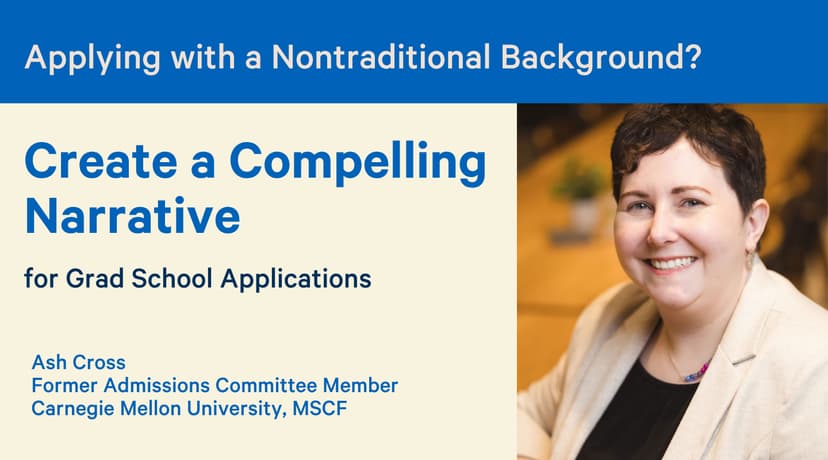 Oct 20, 2026 at 3:30 PM25 registered
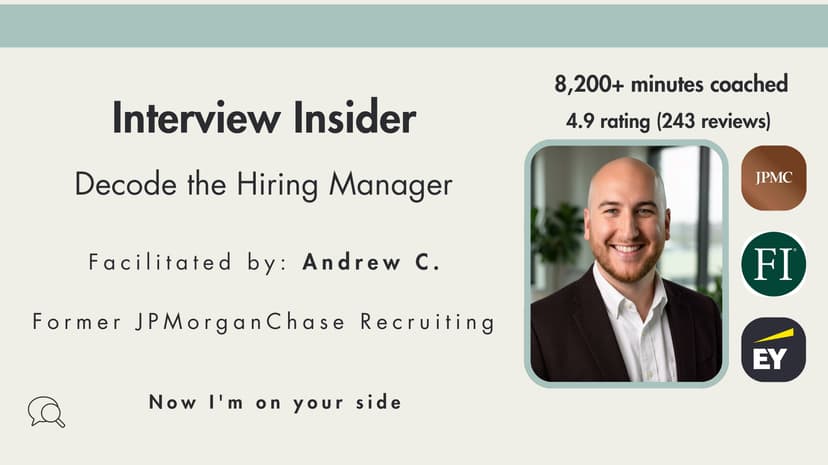 Oct 20, 2026 at 4:00 PM130 registered
 Oct 21, 2026 at 2:00 PM46 registered

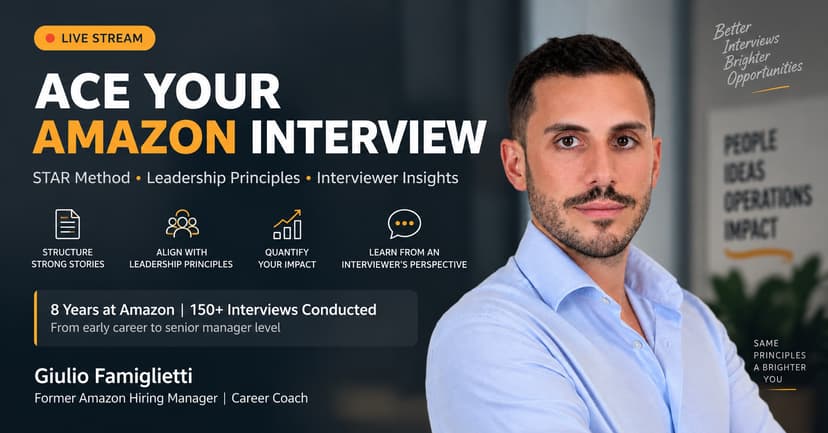 Oct 21, 2026 at 3:00 PM4 registered
Table of Contents
If you are job hunting on an F-1 OPT or applying from abroad, your odds in 2026 hinge on three things that did not exist two cycles ago. A wage-weighted lottery now rewards higher-paid roles, a $100,000 employer fee has a legal status that is changing week to week, and U.S. tech firms now out-hire the big IT outsourcing companies for new H-1B workers. Knowing which companies actually file petitions, and at what wage level, matters more than it ever has.
This guide pulls the latest USCIS H-1B Employer Data Hub figures, names the top sponsors going into the FY2027 cap season, and walks through a method you can use to build a sponsor shortlist for your role and city. Rankings shift year to year, so treat any list as a snapshot and verify against the live data hub before you rely on it.
This guide is for general information and is not legal advice. H-1B rules and fees are changing rapidly in 2026. Verify current requirements on USCIS and the Department of Labor, or consult a licensed immigration attorney, before you act.
What Is the H-1B Visa?
The H-1B is an employer-sponsored, non-immigrant visa for a specialty occupation, meaning a role that requires at least a bachelor's degree in a specific field or its equivalent. In practice, that covers most jobs international graduates chase, including software engineer, financial analyst, data scientist, mechanical engineer, and similar technical or professional roles. You cannot self-sponsor. A U.S. employer files the petition on your behalf with United States Citizenship and Immigration Services (USCIS), which means your job search and your H1B visa sponsorship strategy are the same thing. USCIS, the agency that runs the country's immigration services for work visas, decides every petition.
The initial H-1B runs for three years and extends to six. If you are still working toward a green card as year six approaches, your employer can file an I-140 immigrant petition, which opens the door to extensions beyond the six-year cap while you wait for your priority date. This is why H1B sponsorship from an employer that also supports green card processing carries so much value.
Then there is the lottery. Congress caps new H-1B visas at 85,000 per fiscal year, with 65,000 in the regular cap plus 20,000 reserved for U.S. master's degree holders. For the FY2026 cap, USCIS counted roughly 339,000 eligible unique beneficiaries against those 85,000 slots. That figure included recent graduates, OPT workers, and candidates abroad, all competing for the same pool, so even strong applicants with solid offers get filtered out by simple math. The H-1B remains the most popular work visa route for international grads, which is exactly why it is so oversubscribed. Treat selection as a probability event.
Why Being Inside the U.S. Is Now a Strategic Advantage
Here is the frame that shapes every other decision in 2026. If you are an F-1 student on OPT or STEM OPT, you are already in the country, and your employer can file your H-1B as a change of status. If you are applying from abroad, your petition is a consular case, and consular cases are the ones exposed to the $100,000 fee when it is in force. That single distinction changes which employers will sponsor you and how much your offer costs them. Candidates already in the U.S. are cheaper and lower-risk to sponsor, full stop. If that is you, lead with it in your sponsorship pitch.
The Top Companies for H1B Sponsorship in 2026
The table below reflects FY2025 H-1B approvals from the USCIS H-1B Employer Data Hub, the most recent full-year employer data available as of mid-2026. Counts combine initial and continuing approvals where reported, and subsidiaries can appear under separate entries, so totals understate combined corporate sponsorship in some cases. Treat the numbers as approximate and confirm against the live hub before you act on them.
| Company | Industry | FY2025 H-1B approvals (approx.) | Key roles | Primary locations |
|---|---|---|---|---|
| Amazon | Tech/cloud/logistics | 18,000+ (incl. continuing) | Software development engineer, data engineer, solutions architect, product manager | Seattle WA, Bellevue WA, Arlington VA, New York NY |
| Microsoft | Technology/cloud / AI | 6,200+ | Software engineer, cloud solutions architect, data scientist, product manager | Redmond WA, Bellevue WA, Atlanta GA |
| Meta Platforms | Social / tech / AI | 6,200+ | Software engineer, research scientist, data scientist, product manager | Menlo Park CA, Seattle WA, New York NY |
| TCS | IT services | 6,100+ | Software developer, systems analyst, ERP consultant, project manager | Edison NJ, Dallas TX, multiple client sites |
| Apple | Technology/hardware | 4,600+ | Hardware engineer, software engineer, machine learning researcher, chip designer | Cupertino CA, San Diego CA, Austin TX |
| Tech / AI | 5,500+ | Software engineer, research scientist, machine learning engineer, UX designer | Mountain View CA, Sunnyvale CA, New York NY | |
| Cognizant | IT services/consulting | High volume | IT analyst, data engineer, digital transformation consultant | Teaneck NJ, Plano TX, multiple client sites |
| Infosys | IT services | High volume | Software engineer, digital consultant, cloud migration specialist | multiple client sites |
| IBM | Tech / consulting | Substantial | Data scientist, cloud architect, AI engineer, business consultant | Armonk NY, Austin TX |
| Deloitte | Professional services | Substantial | Tax consultant, audit associate, technology risk advisor, strategy consultant | New York NY, multiple metros |
| Intel | Semiconductors | Substantial | Process engineer, hardware design engineer, firmware engineer | Santa Clara CA, Hillsboro OR, Chandler AZ |
| Qualcomm | Semiconductors/wireless | Substantial | RF engineer, modem software engineer, chip design engineer | San Diego CA |
| Cisco | Networking / IT | 1,570 | Network engineer, software engineer, cybersecurity specialist, cloud architect | San Jose CA, Research Triangle Park NC |
For initial-employment approvals, the new-hire category that matters most to first-time applicants, U.S. tech companies took the top spots for the first time, with Amazon, Meta, Microsoft, and Google leading. Even through rounds of tech layoffs, these firms kept sponsoring specialized technical roles at high volume. The big Indian IT services firms still post large total volumes because they extend a sponsored workforce placed at client sites, but their new-hire numbers fell sharply. TCS's initial approvals dropped from about 1,452 in FY2024 to 846 in FY2025. Read that as a market shift, where product companies are crowding out the outsourcing model for new projects, and the wage-weighted lottery accelerates the trend.
How the Sponsor Types Differ, and What Each Means for You
The undifferentiated "big list of companies" you see on most sites hides the single most important call you will make. The employment model behind the visa matters more than the logo. Here is how the major buckets compare.
- Product and tech beyond the table - Companies like Oracle, Uber, Salesforce, and Nvidia hire international talent directly into in-house roles, usually at Level III or IV wages, with a clearer green card track and premium processing as standard. Higher wage levels mean better lottery odds under the weighted system. This is the strongest bucket for most engineering and data candidates.
- Finance and consulting - JPMorgan Chase, Goldman Sachs, Morgan Stanley, EY, Accenture, and Capgemini sponsor across analyst, consulting, audit, and quantitative roles. These are direct hires with structured immigration teams and predictable green card pipelines. Wages typically land at Level II or higher, and approval rates run strong (JPMorgan around 94 percent, Deloitte around 93 percent in FY2025 reporting). For non-tech candidates, this is the pipeline to target.
- IT services and outsourcing - TCS, Infosys, Wipro, HCL, and Cognizant file at high volume but historically place workers at third-party client sites, often at lower wage levels. Under the weighted lottery, Level I placements draw the fewest entries, which is exactly why these firms' new-hire numbers are falling. If you go this route, ask directly about wage level, client engagements, and how green card processing is handled.
- Cap-exempt employers - Universities, university-affiliated nonprofits, and qualifying research organizations file year-round with no lottery and no cap, and they sit outside the $100,000 fee entirely. Healthcare is a standout here, since many academic medical centers and university-affiliated hospitals qualify as cap-exempt and sponsor clinical and research careers at any time of year. If you are a researcher, a clinician, or open to one of these opportunities, this is the most reliable path to H-1B status in the world of sponsorship. Many candidates overlook it because they fixate on the private sector.
How to use this list tactically. In engineering or data science, target the product and tech bucket first for the wage levels and infrastructure. For finance or auditing, the consulting and finance bucket is your lane. Smaller and mid-size companies do sponsor and often mean less competition and more direct access to hiring managers, but verify their recent filings before you invest time. Location matters too, since many of these firms concentrate hiring in specific metros, so monitor postings in the right city. And always ask the recruiter directly whether the company has filed H-1B petitions in the last two years, and whether they pay the premium processing.
Key Recent Policy Updates You Must Know
The past year brought the biggest shifts to H-1B sponsorship policy in a decade. Three things matter most. The new wage-weighted lottery, the $100,000 employer fee, and its fast-moving litigation, and tighter enforcement from USCIS and the Department of Labor. Each one affects which employers will sponsor, how much it costs them, and how carefully they vet a role before filing.
The Wage-Weighted Lottery (Effective for FY2027)
DHS finalized a rule, effective February 27, 2026, that replaces the random lottery with a weighted selection process tied to the Department of Labor's four-level prevailing wage system. It applies to the FY2027 cap registration that runs in March 2026. Under the rule, a beneficiary who is offered a Level IV wage gets entered into the selection pool four times, Level III three times, Level II twice, and Level I once. Higher pay means more entries and materially better odds.
The practical takeaway is simple. The same company can give you very different odds depending on the role and salary it offers. When you evaluate sponsors, look past whether they sponsor at all and check what wage level they typically file at. A consistent Level I filer is a warning sign, while a Level III or IV filer is offering you far better odds. Two anti-gaming rules to know. First, the weighting applies only to cap-subject initial petitions, not to extensions, transfers, or amendments. Second, if you hold multiple registrations from different employers at different wage levels, USCIS assigns you the lowest wage level among them, so you cannot stack high-wage entries. The rule could still face court challenges, so confirm the current status before the registration window.
Why the $100,000 fee’s Status Is Changing Weekly
This is the section to read carefully, because the picture is genuinely in flux as of mid-June 2026.
A presidential proclamation signed September 19, 2025, imposed a $100,000 payment requirement on certain new H-1B petitions. Per USCIS guidance, it applied only to new petitions for beneficiaries outside the United States who did not already hold a valid H-1B. It did not apply to existing H-1B holders, extensions, amendments, transfers, or to people already in the U.S. on another status, such as F-1 OPT, who change status to H-1B. Cap-exempt employers were exempt as well.
Then the courts moved. On June 8, 2026, the U.S. District Court for the District of Massachusetts vacated the fee nationwide, ruling it an unconstitutional tax imposed without congressional authorization. For a few days, the fee was unenforceable. On June 12, 2026, the same judge agreed to stay his own order pending the government's appeal to the First Circuit, which puts the fee back in effect for now. A separate D.C. Circuit appeal and a pending California case mean the outcome could still split across circuits. The proclamation is also currently scheduled to expire on September 20, 2026, unless extended.
What this means for you in practice is this. Do not treat the $100,000 fee as either dead or permanent. Confirm its status on the USCIS site before you or an employer files, because it may change again before the FY2027 petitions go in. The strategic point holds regardless of the ruling. If you are already in the U.S. on OPT and your employer files a change of status, the fee has never applied to you, which makes you a cheaper and safer hire than a candidate abroad. That advantage is real today and will matter even more if the fee survives appeal.
Status as of June 15, 2026. This is active, fast-moving litigation. Verify the current rule on USCIS before filing.
Prioritization and Regulatory Enforcement
Enforcement has tightened across USCIS and the Department of Labor, with closer scrutiny of specialty occupation claims, prevailing wage compliance, and Labor Condition Application attestations. The overall FY2025 approval rate ran around 85 percent, but it splits hard by employer type. Top tech firms clear 95 percent and up, while IT staffing firms with third-party placements can sit in the 60 to 75 percent range. That gap is your due diligence map. Here is how to read it when choosing who to target for H1B sponsorship.
Pull the employer's recent filing history on the USCIS H-1B Employer Data Hub, the free government page that lets you find any petitioner's record. Consistent recent approvals beat historical volume. A company that filed for a large number of workers in 2019 but has gone quiet since 2022 is a different signal than one filing every cycle. Ask directly whether the offered salary meets or exceeds the DOL prevailing wage for your SOC code and worksite, and treat any attempt to classify a senior role at Level I as a red flag for RFEs and denials. Check the DOL public disclosure data and resources for LCA filings and any debarments or willful violations, since a clean record means less scrutiny on every future petition. And ask who handles their immigration filings, because employers with in-house counsel or an established outside firm file cleaner petitions and clear RFEs faster. When you weigh competing offers, give these signals as much weight as compensation. A clean, well-resourced sponsor beats a marginally higher salary at an employer with a thin or troubled filing history.
Step-by-Step Process for Students and Nonimmigrant Workers
Step 1: Build a profile that employers will actually file for
Your background has to map to the specialty occupation definition, which means a role requiring specialized knowledge and at least a bachelor's degree in a specific field. Most applicants meet this through a U.S. or foreign degree. If your degree is not a direct match, expect to document equivalency through work experience, certifications, or an academic evaluation. Do that work before you interview.
A degree alone no longer moves the needle. The mistake most candidates make is treating in-demand skills as resume filler when they are actually leveraged for the petition. Cloud computing, AI and machine learning, data analysis, cybersecurity, and UX design are the skills employers cite to build the business case USCIS wants to see, and under the weighted lottery, they tend to sit at higher wage levels, which directly improves your odds. If you are still studying, a U.S. master's or PhD does double duty, since it strengthens the petition and qualifies you for the 20,000-visa advanced-degree cap. Recruiters check LinkedIn first, so make your profile sharp, current, and specific about tools, projects, and quantified impact.
Step 2: Navigate registration and the lottery
Each year, USCIS opens a short registration window, typically in March. For the FY2026 cap, registration ran from March 7 to 24, 2025, with a $215-per-beneficiary fee. The FY2027 window is set for March 4 to 19, 2026, again at $215, paid by the employer at registration, whether or not you are selected. One correction worth knowing is that the $215 fee took effect for the FY2026 cap season, replacing the old $10 fee. This is registration only, not a full petition. Your employer's name goes on the submission, and under the beneficiary-centric process, each unique person gets one entry, no matter how many employers register them. Your passport details must match exactly what you submit later, because errors can void the registration. Selection notices typically go out by March 31. This stage is mostly out of your hands, so stay in close contact with your employer's legal team and confirm your information is right before submission.
Step 3: Petition filing and employer obligations
If selected, your employer files the full petition, and this is where the real compliance burden begins. First comes a certified Labor Condition Application to the Department of Labor, listing your job title, salary, and worksite, and attesting that hiring you will not adversely affect U.S. workers and that you will be paid at least the prevailing wage for your role and location. The petition then has to show three things clearly. The position is a specialty occupation; it requires a bachelor's degree or higher, and you meet that bar through education or a combination of education and experience.
The mistake that sinks petitions here is a mismatch between the job title and the standard occupational classification, or a degree that does not obviously map to the role. If either applies to you, your employer may need expert opinions, transcripts, or a detailed job-duty breakdown to establish eligibility. Employer history matters too. A company that has not sponsored before, or has a thin filing record, draws more scrutiny under current enforcement, which is one more reason to weigh a proven sponsor heavily.
Step 4: While you wait, stay compliant and ready
After filing, you wait for a decision. If approved, your H-1B status typically begins October 1. If you are in the U.S. on F-1 with OPT or STEM OPT, hold that status carefully through the gap between approval and start date, because a lapse can reset everything.
Premium processing is the lever to understand here. For $2,965, the fee as of March 1, 2026, USCIS guarantees a decision (approval, denial, or RFE) within 15 business days, versus the two to six months standard processing can take. Large sponsors like Amazon, Google, and Microsoft pay for it as a matter of course, while smaller employers may ask you to cover it. If your petition went in around April for an October 1 start, you usually do not need it. If you are transferring mid-year or your I-94 is approaching expiration, you probably do. This is also the moment to pressure-test your backup plan. If the lottery does not go your way, concrete alternatives include the O-1 for extraordinary ability, the L-1 intracompany transfer, the TN for Canadian and Mexican nationals in qualifying fields, or another year on OPT or STEM OPT to buy a future cycle.
Step 5: After approval, the moments that trigger a new petition
With approval in hand, you can begin working for the sponsoring employer in the approved role and location, but your obligations do not end there. Your employer maintains a public access file documenting your position, pay, and duties, and any significant deviation from what was filed can jeopardize your status.
The detail most workers miss is which everyday events legally require a new or amended petition. A change of employer is a brand-new petition, not a simple transfer, even though everyone calls it one. So is a material change in job duties. So is a move to a different metropolitan area, which can require an amended petition and a new LCA, since the prevailing wage is tied to your present worksite. A promotion that materially changes your role can trigger it too. Remote-work shifts are the sleeper case, because moving your home worksite across an LCA-relevant boundary can require an amendment even when nothing else about the job changes. Flag any of these to your immigration team before they happen. Many workers later pursue a green card through their employer via the PERM and I-140 process, which often begins during the H-1B years, so building a record of distinguished work pays off in long-term options.
How You Can Prepare Now (Your Action Plan)
Here is how to position yourself before the FY2027 lottery season hits.
- Map three to five target roles that clearly qualify as specialty occupations and confirm you are realistically eligible based on your degree, training, or equivalent experience.
- Audit your skills against high-demand, higher-wage areas like cloud, AI and machine learning, data science, cybersecurity, and UX. Under the weighted lottery, these are not just resume points; they push your wage level up, which is now the single biggest lever on your odds. Aim for roles that land at Level III or higher.
- Ask recruiters two direct questions. How many H-1B petitions has your company filed in the last two years, and do you pay for premium processing? Clear answers signal an employer who knows what they are doing.
- If you are on F-1, treat OPT and STEM OPT as a one-to-three-year audition. Prove value, build internal trust, and align your role with H-1B eligibility before your window closes. Being inside the U.S. is also your hedge against the $100,000 fee.
- Customize your resume and LinkedIn to surface specialty-occupation framing through specific tools, degree relevance, and quantified impact. Recruiters and immigration attorneys both look for that signal.
- Monitor USCIS, the DOL, and credible immigration counsel for real-time policy changes, especially the wage-weighted lottery and the $100,000 fee, both of which are subject to active litigation.
- For non-tech candidates, target finance and consulting sponsors. Goldman Sachs, JPMorgan, Deloitte, and EY run strong, well-resourced sponsorship pipelines and are a real alternative to Silicon Valley.
- Build a backup plan now. The O-1, L-1, TN, and further education are all legitimate routes if the lottery does not go your way.
Read: 10 Job-Ready Career Skills That Will Set You Apart
Final Thoughts
If you are choosing between two offers and need to weigh sponsorship infrastructure against compensation, or you are trying to position an OPT role so your wage level clears Level III before registration, that is exactly the call our coaches help international candidates make. Many of them navigated this system themselves. Browse our career coaches to build a targeted sponsor strategy and approach employers with a plan. You can also join free events and live sessions for more tactical insights.
Ready to get started? Browse our career coaches here. We’ll help you craft a targeted strategy, build compelling materials, and approach sponsors with confidence. You can also join free events and live sessions for more strategic insights!
Let’s make your U.S. job search the beginning of something great.
See: 10 Best Career Coaches Offering Personalized Career Coaching Services
Top Coaches
Read next:
- What It (Actually) Takes to Land Your First Job
- How to Nail “Tell Me About a Time…” Interview Questions
- How Long Does It Take to Hear Back from a Job?
- An Expert’s Guide to Resumes: Five Tips to Make You Stand Out
- How to Nail the Atlassian APM Interview
- 10 Thought-Provoking Questions to Ask a Career Coach
Frequently Asked Questions
How does the lottery and fiscal year timing work?
USCIS opens a short electronic registration window each year, typically in March (March 4 to 19, 2026, for the FY2027 cap), and employers register each unique beneficiary for $215. If registrations exceed the 85,000 cap (65,000 regular plus 20,000 master's), USCIS runs a selection. Starting with FY2027, that selection is wage-weighted rather than purely random. Selection notices generally go out by March 31, petitions are filed in the following months, and approved cap-subject employment begins October 1.
What is the prevailing wage, and why does it matter?
- The prevailing wage is the salary floor the Department of Labor sets for your role, location, and skill level. Your employer must pay at least this wage so foreign workers do not undercut U.S. workers. It protects you from being lowballed, but it is also why many employers will not sponsor entry-level roles, and under the weighted lottery, your wage level now directly drives your selection odds.
What qualifies as a specialty occupation?
- A specialty occupation requires theoretical and practical application of specialized knowledge plus at least a bachelor's degree in the specific field, or equivalent experience. Software engineering, data science, finance, architecture, and medicine are common examples.
Does changing employer or role affect my H-1B?
- Yes. A change of employer requires a brand-new petition. A material change in duties, a move to a different metro area, or certain remote-work shifts can also require an amended petition and a new LCA. Confirm with your immigration team before any of these happen.
Do smaller companies sponsor H-1B visas?
- Yes, though less often than large firms because of cost and compliance burden. Smaller employers can mean less competition and more direct hiring, but verify their filing history first. Ask how many petitions they have filed in the last two to three years and whether they will pay the prevailing wage and handle compliance.
Should I pursue a master's or higher degree?
- A U.S. master's or PhD strengthens your petition and qualifies you for the additional 20,000-visa advanced-degree cap, and higher-rigor roles tend to carry higher wage levels, which now improves your lottery odds. Weigh that against the time and cost.
Does the $100,000 fee apply to me?
- It depends on your situation and on litigation that is changing fast. The fee was designed to support new petitions for people outside the U.S. who do not already hold a valid H-1B. It does not apply to change-of-status filings for people already in the U.S. on F-1 OPT, nor to cap-exempt employers. A court vacated the fee on June 8, 2026, then stayed that order on June 12 pending appeal, so it is back in effect for now. Confirm the current status on USCIS before filing.