Preparing for Your Dental School Interview: Proven Tips for Success
Logan R., a seasoned dental school admissions expert, shares invaluable tips and strategies to help you navigate the daunting interview process with confidence.
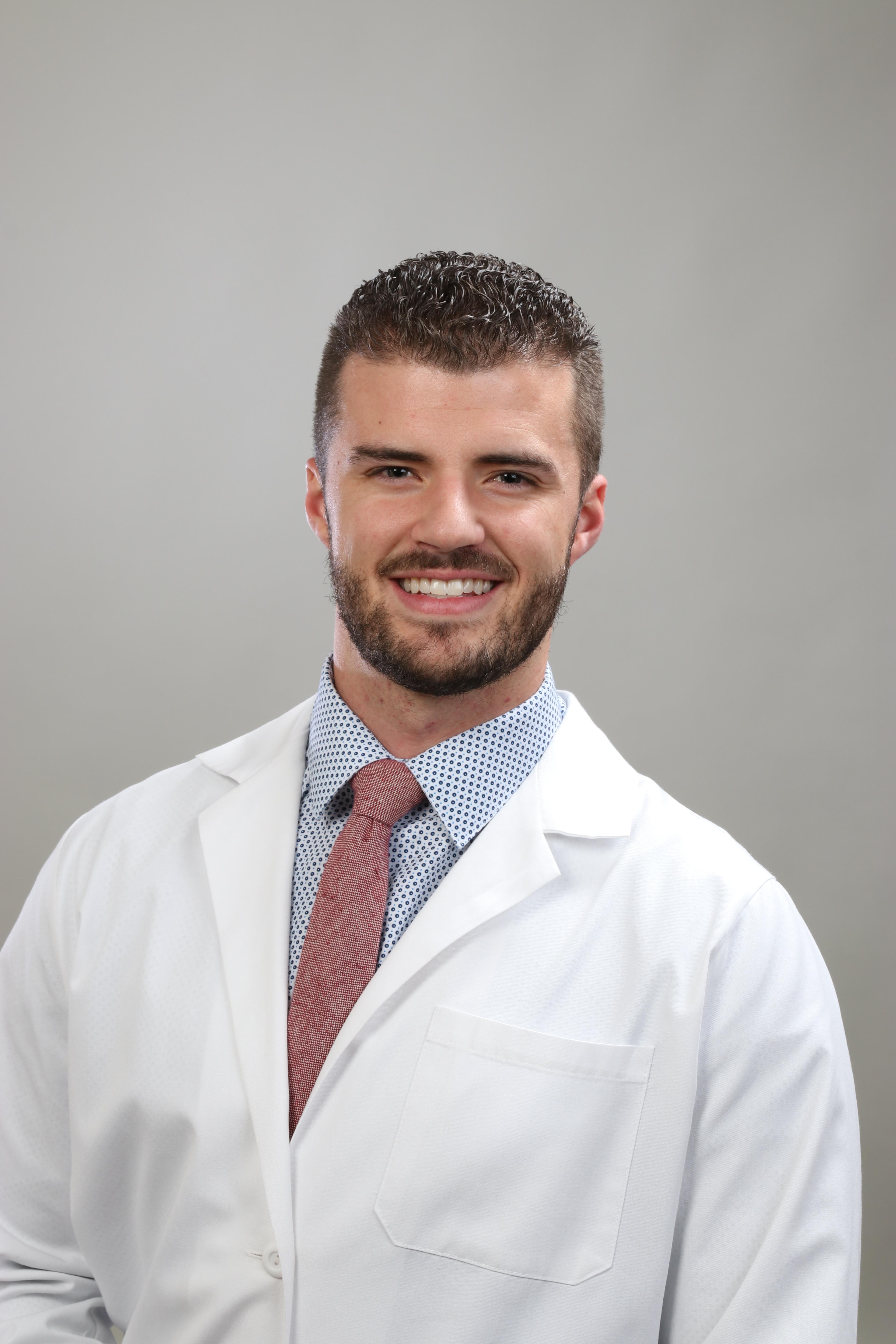
By Logan R.
Pre-Dental Mentor and Coach - for any year of undergrad!
Posted January 6, 2026



Table of Contents
Preparing for your dental school interview can feel intimidating, but with the right mindset, strategy, and preparation routine, you’ll show admissions committees that you are an ideal candidate for their program. Over the last decade, thousands of pre‑dental students have faced this stage, and many real-world pre‑dental discussions confirm that applicants who strategically prepare and reflect on their experiences feel far more confident and perform better on interview day.
This guide breaks down proven tactics so you can understand what to expect, how to practice, and how to perform across every interview format, including traditional, panel interviews, and multiple mini interview (MMI) formats.
Read: The Complete Guide to the Dental School Application
When Do Dental School Interviews Start?
In the U.S., most dental schools begin offering invites as early as late summer and continue through early spring. For fall matriculation, invitations often start in August or September and can extend into February or March, depending on the program’s timeline and rolling admissions policies.
Expert Tip: Confirm specific timelines with each school’s admissions office and track dates meticulously on a calendar. Early preparation = better outcomes.
How To Prepare For Your Dental School Interview
1. Reverse‑Engineer What the School Is Actually Looking For
Every dental school is evaluating far more than just grades and test scores. From my experience coaching pre-dental students, what separates top performers in the interview is their ability to align who they are with what the school values most.
Here’s how to do that with expert precision:
- Research the school’s mission statement and core values. Don’t skim it, analyze it. What words or phrases keep showing up? Community service? Innovation? Access to care? Those are clues to what they’ll probe in the interview.
- Understand how their vision maps to your goals. If they emphasize public health, and your shadowing or volunteer experience reflects that, you’ve already got alignment; you just need to make it visible in your answers.
- Connect your own experiences to what they prioritize. If a school emphasizes diversity or underserved populations, don’t just mention it, show how you’ve acted on it. The key is showing, not telling.
Real-world insight: Many successful applicants shared that they built a doc or spreadsheet for each school outlining its values and what stories or experiences they’d tailor in response. Smart prep = confident answers.
2. Nail the Most Common and Most Revealing Dental School Interview Questions
Every school asks some version of the same questions. But that doesn’t mean they’re easy. In fact, the most common questions are often the most revealing—because they test how well you understand yourself, your motivations, and what this career actually involves.
Be ready to clearly and confidently answer questions like:
- “Why dentistry?”
- “What’s your biggest challenge or regret?”
- “How have your experiences prepared you for dental school?”
- “What does a typical day in your future career look like?”
- “Tell me about yourself.”
That last one, by the way, is more important than people realize. It’s often the first thing you’ll be asked, and it sets the tone. You want a strong, well-practiced response that briefly walks through your background, why you’re pursuing dentistry, and what makes you a good match for the program.
You’ll also likely be asked ethical or behavioral questions, especially in MMI formats. These might involve challenging patients, disagreements with peers, or real-time problem-solving. Your goal here isn’t to give a perfect answer; it’s to show self-awareness, emotional intelligence, and the ability to reason under pressure.
Expert Tip: Prepare answers that show your ethical reasoning, emotional intelligence, and understanding of the dental profession, not just textbook logic.
Read: The Most Common Dental School Interview Questions–and How to Answer Them
3. Use Mock Interviews to Sharpen Delivery and Build Real Confidence
No matter how strong your answers are in your head, you’ll stumble in the room unless you’ve practiced out loud. That’s why I require every coaching client to go through multiple mock interviews, and the results speak for themselves.
How to practice like a serious candidate:
- Schedule a mock interview with your pre-dental advisor or a dental school admissions coach
- Record yourself answering key questions (review tone, pacing, and eye contact)
- Run panel interview and MMI format simulations with friends, classmates, or mentors
MMI Tip: Focus less on having a “perfect” answer, and more on how you think, communicate, and self-correct under time pressure.
From Reddit: “My first mock felt awful, but by the third one, I was thinking more clearly, speaking more naturally, and even enjoying it.”
Aim for 3–5 mock interviews before the real thing. Bonus points if you mimic the actual interview format of your top schools.
4. Journal Your Experiences So You Don’t Draw Blanks
One of the most underrated strategies for interview prep is keeping a running journal of your pre-dental experiences. Not a diary, but a focused, quick log of what you’ve done, what you learned, and how it shaped your interest in dentistry.
This matters more than you think. When you’re asked, “Tell me about a time you faced adversity,” or “What did you learn from shadowing Dr. X?”, you don’t want to rely on memory alone. You want details, reflection, and specificity.
Journaling helps you build a personal bank of stories you can pull from. Whether it’s research, volunteering, patient interactions, or team leadership, each entry gives you raw material for strong, story-driven answers that don’t sound rehearsed, but are ready when you need them.
5. Know the Interview Formats And How to Win Each One
Not all interviews are created equal. And one of the easiest ways to stand out is to actually prepare for the type of interview you’ll be doing.
Traditional interviews are one-on-one and conversational, usually lasting 30–60 minutes. They’re your chance to tell your story in full and show who you are beyond your application. Panel interviews involve multiple interviewers (professors, students, or admissions staff) asking questions together. These test how you handle a dynamic conversation and respond to different perspectives.
Then there’s the Multiple Mini Interview (MMI), which is completely different. MMIs involve a series of timed stations, usually 6–10, where you’re asked ethical questions, problem-solving scenarios, or communication tasks. It’s less about content and more about how you think, speak, and behave under pressure.
The format matters. Knowing what to expect helps you prepare your mindset, your timing, and your delivery. If a school doesn’t publish its interview type, email the admissions office or ask a current student what to expect.







Beyond the Interview: What Actually Matters After You Leave the Room
Many applicants walk out of an interview, take a deep breath… and move on. But that’s a missed opportunity. What you do after the interview can reinforce a positive impression or help you course-correct for the next one.
Here’s how I advise every coaching client to approach the post-interview phase like a professional:
1. Follow Up the Right Way
Send a concise, thoughtful thank-you note within 24 hours. Address it to your interviewer(s) by name, reference something specific you discussed, and briefly reaffirm your interest in the program. You don’t need to be formal or overly polished; genuine, respectful, and personal always wins.
If the school doesn’t provide individual interviewer names, send a general thank-you to the admissions office. Express appreciation for the opportunity and the chance to learn more about their program.
2. Debrief With Yourself
As soon as possible, ideally the same day, jot down everything you remember: What went well? Which questions caught you off guard? Where did you feel strongest? Weakest? Capture the emotion, the moments you wish you’d phrased differently, and the questions you didn’t expect. This reflection will become gold for your next interview.
3. Turn Reflection Into Repetition
Use your debrief notes to revise and refine your answers. If you stumbled on a question like “What’s your biggest weakness?”, don’t just hope it goes better next time. Rework your response, and rehearse it out loud until it feels natural.
Each interview, even the ones that don’t lead to an offer, is a chance to sharpen your delivery, tighten your storytelling, and grow your confidence. This is how good applicants become great ones.
Additional Considerations for Aspiring Dentists
Even the strongest interview performance can fall short if you don’t understand what makes a standout dental candidate or what differentiates dental school from other health professions. The following insights will help you make better decisions, prepare stronger answers, and show schools you’ve done the self-reflection they expect.
How does dental school compare to medical school?
Many students considering healthcare careers find themselves choosing between dental and medical school. While both paths demand academic rigor and clinical training, dental school focuses earlier and more intensively on hands-on procedures, technical skills, and the dental care side of patient treatment. You'll also build expertise in areas like prosthodontics, endodontics, and oral health systems, topics not covered in traditional medical programs.
Admissions counselors will expect you to articulate why dentistry is the right path for you, especially if you initially considered medicine.
What makes an ideal candidate for a dental program?
Across top schools, one thing is clear: ideal candidates aren’t just high-achievers on paper, they’re thoughtful, grounded, and show real growth. Admissions committees are evaluating your personal qualities as much as your academic metrics. That includes self-awareness, empathy, and the ability to think on your feet.
In your interview, be prepared to tie your personal strengths to specific experiences, especially ones that demonstrate effective communication skills, resilience, teamwork, and ethical judgment. These traits matter deeply in both clinical and academic settings and are foundational to success in any dental program.
How to describe a typical day as a dentist
You may be asked to explain what a “day in the life” of a dentist looks like. This isn’t a trick question; they’re checking your realism and professional maturity. Talk about more than just procedures. Address how you’d balance patient care with practice management, continuing education, and professional development. You might even mention how you'd lead a team, mentor younger staff, or contribute to improving oral health in your community.
This kind of answer shows you’ve thought about the full scope of the career—not just the technical aspects.
Read: How to Become a Dentist: Application, Degree Programs, FAQs
Reflecting on your biggest regret or greatest challenge
These personal questions are less about the story itself and more about what it reveals. Your response should show self-reflection, maturity, and growth over time.
Whether it’s switching from pre-med to pre-dental, failing to manage your time well in undergrad, or struggling to speak up in clinical settings, talk about what changed. How did you respond? What did you learn? How did it make you a stronger applicant? Many of my clients use these questions to highlight emotional intelligence, leadership, or how they grew more confident in their ability to pursue dentistry. That’s what admissions counselors want to hear.
Why class size matters more than you think
Don’t overlook program logistics. Class size can significantly shape your experience. Smaller cohorts often mean more mentorship, tighter relationships, and more access to faculty. Larger programs may offer broader clinical exposure or research opportunities.
During interviews, show that you’ve considered how class size impacts your learning style. This demonstrates strategic thinking and gives you another way to show fit with their school.
How an Expert Dental Coach Can Help You Succeed
Navigating the dental school interview process can be overwhelming, but the right advice and resources can make all the difference. A professional dental coach can provide personalized strategies to help you succeed, from mastering your speaking skills to crafting compelling responses for every stage of the process. Whether you're preparing for one-on-one interviews or panel discussions, a coach offers actionable feedback to boost your confidence and ensure you present yourself as a top candidate.
Investing in expert guidance means you’ll have a partner who understands the challenges you face and can help you tackle them with poise. Don’t leave your future to chance; get the advice and support you need to stand out among other candidates.
GOOD LUCK, PRE-DENTS!!!
P.S. Book a FREE intro call with Logan R. to learn how you can receive personalized guidance to nail your dental school interview and application. Also, check out our dental school bootcamp and free events for more strategic insights!
See: The 10 Best Dental Coaches for Application & Interview Prep
Read next:
- UCLA Dental School: Application Requirements, Acceptance Rates, and How to Get In
- Harvard School of Dental Medicine–Program and Application Overview
- University of the Pacific Dental School: Application Requirements and How to Get In
- Writing a Winning Dental School Personal Statement
- TMDSAS Personal Characteristics Essay: The Ultimate Guide
FAQs
What are your strengths in dental school interviews?
- It is essential that you back up your strengths with evidence! I have a passion for working with people and believe I have the skills to show empathy and handle difficult cases. This was reinforced through my time at/my experience with… This is essential to dentistry as it is a very people-oriented career.
What are the best things to say at a school interview?
- Give specific reasons why you're a good fit. For instance, “I've always been interested in social justice and am excited to take part in your community service program.” Don't say you're applying to a school “because your parents want you to.” And avoid 'bootlicking': “I've heard your school is the best.”
What are the different types of dental school interviews?
- Typically, there are three types of dental school interviews: Multiple Mini Interviews (MMI), traditional interviews, and panel interviews. Here's everything you need to know about each type, as well as some sample questions and tips for acing your interview.
What is the best answer to "Tell me about yourself"?
- The best way to answer "Tell me about yourself" is with a brief highlight summary of your experience, your education, the value you bring to an employer, and the reason you're looking forward to learning more about this next job and the opportunity to work with them.
How long are dental school interviews?
- The interview duration does vary depending on the school and type of interview, but you can count on a minimum of 30 minutes for traditional interviews and longer than this for multiple mini-interviews (MMIs), or combined interview types that might include more than one activity
What should I wear to a dental school interview?
- Don't wear more than a watch, a wedding ring, and a religious necklace. Women should wear a gray, navy blue, or black skirt or pant suit with a white or pastel button-down or pull-over blouse. Neutral-toned stockings and coordinating dark-colored, closed-toe shoes that are comfortable are important.

Written by Logan
5.0
(3)
Becoming a dentist has been my lifelong dream and now I get to live it! I've made big sacrifices to attain this dream, including giving up college football in order to center my focus on getting into dental school. Now, as a husband and dad of two crazy boys, I carry the confidence knowing that I've done all I could to prepare myself to be a great provider and leader. Dentistry gives me the ability to make a difference in the lives of others while still being present with my family.
Logan has helped clients get into organizations like:

Texas A&M College of Dentistry