Harvard Dental School Acceptance Rate – Breakdown & Analysis (2026)
Discover the latest acceptance rate trends at Harvard Dental School (HSDM) for 2026.
Posted January 5, 2026


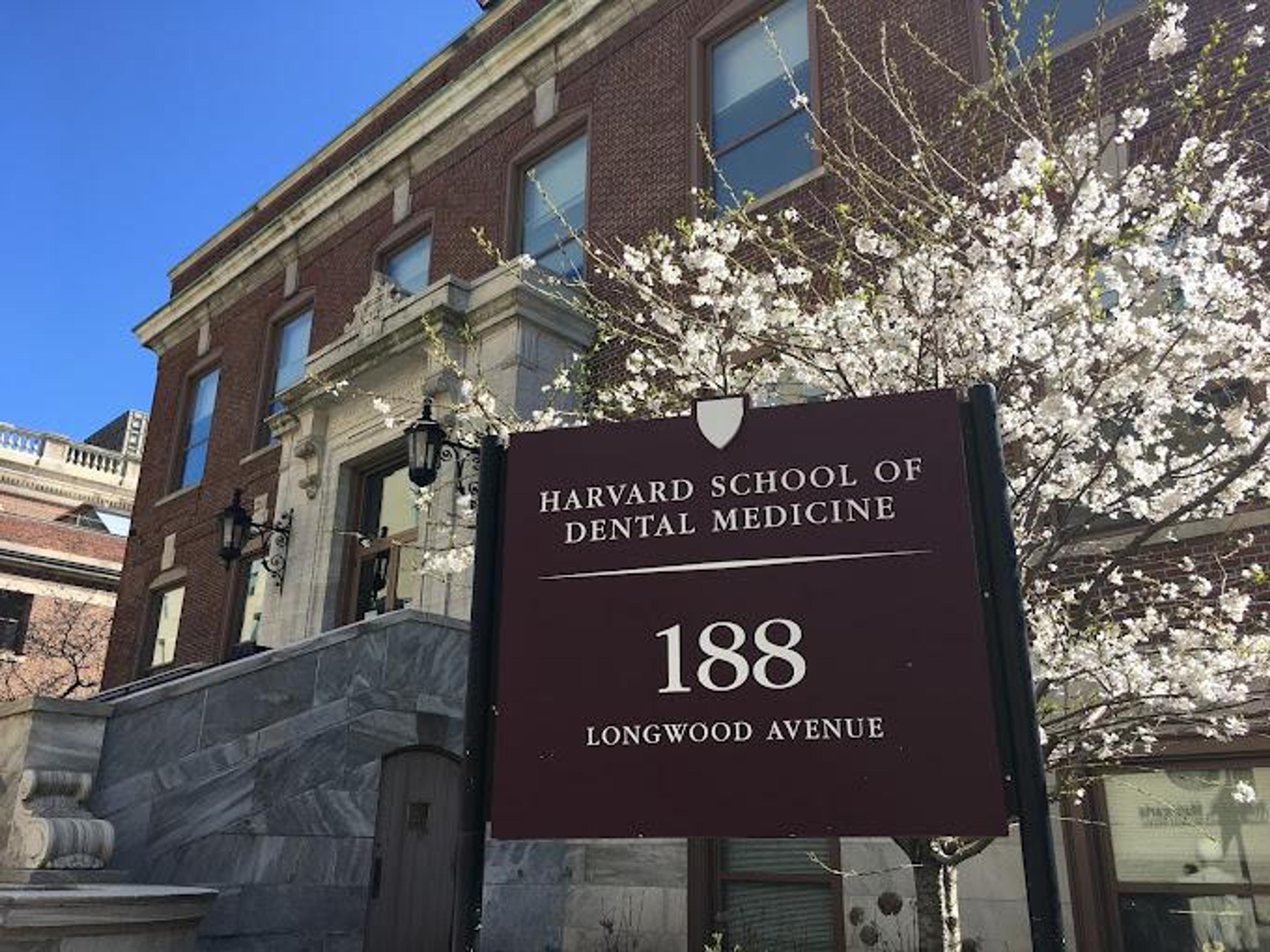
Table of Contents
Harvard School of Dental Medicine (HSDM) is one of the most prestigious dental schools in the world, known for its rigorous academic program, world-class faculty, and commitment to community service. This article will provide a comprehensive overview of the acceptance rate at HSDM for the year 2024, along with other relevant information for prospective students.
Getting into HSDM is extremely challenging. Located in Boston, the school benefits from its affiliation with Harvard Medical School and nearby research institutions, fostering an environment of academic excellence. Thousands of applicants compete each year, but only a select few are admitted. High DAT scores, a strong GPA, and a compelling personal statement are crucial to standing out. This guide provides a detailed breakdown of HSDM’s acceptance rate, the factors influencing admissions, and actionable tips to improve your chances of getting in.
What is the Harvard School of Dental Medicine Acceptance Rate?
The Harvard School of Dental Medicine is one of the most competitive dental schools in the United States. For the most recent admissions cycles (2025–2026), its acceptance rate is estimated at around 3–4%, driven by a very small class size of roughly 35 students and 1,000+ applicants each year. Admissions are conducted through a holistic review process that considers GPA and DAT scores alongside research experience, clinical exposure, leadership, extracurricular involvement, and personal qualities aligned with Harvard’s academic and professional mission.
Acceptance Rates Over Time
| Year | Applicants | Acceptance Rate |
|---|---|---|
| 2020 | 1,100 | 3.2% |
| 2021 | 1,200 | 3.4% |
| 2022 | 1,250 | 3.5% |
| 2023 | 1,300 | 3.5% |
| 2024 | 1,100 | 3.18% |
| 2025 | 1,000+ (Estimate) | 2.77% |
Note: HSDM consistently maintains a lower acceptance rate than other schools, reflecting its rigorous admissions standards and high standards.
What Factors Influence Acceptance Rates at Harvard School of Dental Medicine?
HSDM’s application process is holistic, meaning it evaluates applicants based on multiple criteria beyond GPA and DAT scores. Here are the most important factors influencing acceptance at Harvard School of Dental Medicine, along with expert insights on how to strengthen your application.
Accepted students at HSDM typically have high academic qualifications and performance metrics, including impressive GPAs and DAT scores. This reflects the competitive nature of the applicant pool and underscores the importance of both grades and relevant experiences in the admissions process.
1. Academic Excellence Matters
Most admits have a GPA between 3.8 and 3.9 and a DAT score of 23–24. But numbers alone don’t tell the full story.
Expert Tips:
If your grades improved over time, make that story clear, and if you faced setbacks, address them honestly and thoughtfully. Strong performance in rigorous science courses also matters, especially given HSDM’s biomedical focus. A DAT score of 22 or higher is typical for competitive applicants; if your score falls short, a strategic retake, particularly improving science sections and perceptual ability, can strengthen your application.
2. DAT Scores: A Key Benchmark
If your DAT score is below a 22, a retake may be worth considering, especially if you can make meaningful gains. Prioritize improvement in biology, general chemistry, and perceptual ability, where stronger scores tend to matter most. Use official DAT prep materials and full-length practice tests, and consider working with a tutor if you need a more structured approach.
Top Coaches
3. Research Experience: A Distinctive Advantage
HSDM places a strong emphasis on research, and many admitted students have significant experience in dental medicine or related fields.
Expert Tips:
- Engage in dental or biomedical research under a thesis mentor.
- Aim to publish research or present at national conferences.
- Highlight research that aligns with public health, medical sciences, or pediatric dentistry.
4. Clinical Exposure and Extracurricular Activities
Hands-on experience in dental clinics and participation in community service are crucial for demonstrating commitment to patient care.
Many dental schools have competitive admissions criteria, often requiring high GPAs and DAT scores. Acceptance rates can vary significantly among institutions, making it essential to meet or exceed these standards.
5. Personal Statement: Your Chance to Stand Out
A compelling personal statement is essential for differentiating yourself from other applicants.
Expert Tips:
- Tell a personal and authentic story that conveys why you are passionate about dentistry.
- Demonstrate how your background and experiences align with HSDM’s mission.
- Keep your writing concise, engaging, and impactful.
6. Letters of Recommendation: Strong Endorsements Matter
HSDM requires letters from faculty members and practicing dentists who can attest to an applicant’s qualifications.
Expert Tip: Choose recommenders who know your academic work and clinical experience well, particularly science faculty and practicing dentists. Make their job easier by sharing your resume, transcript, and a few key points you’d like them to emphasize so the letters are specific and personal.
7. Interview Performance
The first round of interviews is crucial in determining which applicants advance in the admission process.
Expert Tips:
- Prepare for questions on personal qualities, patient care, and professional aspirations.
- Express confidence, professionalism, and strong communication skills.
- Show how your experiences in dentistry, public health, and education align with HSDM’s mission.
Application Timeline
Below is a quick overview of your Harvard School of Dental Medicine application timeline:
| Stage | Date / Timeframe | Details |
|---|---|---|
| Application Opens | Mid-June 2025 | Application processing begins. Applicants receive email notifications confirming receipt, listing any missing materials (one-time), and confirming when the application is complete and forwarded to the Admissions Committee. |
| Application Deadline | December 15, 2025 | Final deadline to submit an application for the 2025–2026 admissions cycle. |
| Completion Deadline | January 1, 2026 | All required materials must be received by this date. Incomplete applications after January 1 will not be reviewed. |
| Interview Period | September 2025 – February 2026 | Selected applicants receive email interview invitations with scheduling instructions. Invited candidates are also sent the HSDM Supplemental Questionnaire (this is not publicly available) to complete before the interview. |
| First Acceptance Offers | December 15, 2025 | Initial acceptance notifications are released and continue on a rolling basis until the class is filled. |
| Final Admissions Decisions | By late February 2026 | The selection process is typically completed by the end of February. Additional offers may be extended if seats become available. |
| Waitlist Notifications | By March 2026 | Waitlisted candidates are notified and remain under consideration until the class matriculates in early August. The waitlist is unranked. |
| Matriculation | Early August 2026 | The incoming DMD class officially begins. |
5 Expert Tips to Improve Your Chances of Admission
1. Optimize for Class Fit, Not Just Competitiveness
Successful applicants often signal how they add balance to the class, not just how strong they are individually. This can mean articulating a clear academic focus (e.g., public health dentistry, translational research, health equity) rather than presenting a generic “well-rounded” profile.
Actionable move: In your personal statement and interviews, explicitly connect your interests to HSDM’s biomedical and academic culture, and not just dentistry broadly.
2. Treat Research as a Core Credential, Not an Add-On
Unlike many dental schools, HSDM places disproportionate weight on research literacy and intent, even for applicants who don’t plan to pursue academia. Admissions readers look for evidence that you can think scientifically: hypothesis framing, data interpretation, and intellectual curiosity. Even short-term or undergraduate research can carry weight if you can discuss why the work mattered and how it shaped your thinking.
3. Understand That the DAT Is a Screening Tool
A DAT score around 22+ keeps you competitive, but it rarely wins you admission on its own. At HSDM, once you clear the academic bar, the DAT fades quickly in importance. Applicants often misallocate time chasing marginal score increases instead of focusing on strengthening their research, writing, or interview readiness.
Actionable move: Retake the DAT only if it meaningfully changes your academic narrative (e.g., correcting a weak science subsection), not just to chase prestige.
4. Use Letters of Recommendation Strategically
HSDM values depth of insight over recommender title. A detailed letter from a PI or science faculty member who can speak to how you think, troubleshoot, and grow will often outweigh a generic endorsement from a high-profile name.
Brief your recommenders with specific prompts (e.g., your analytical strengths, leadership moments, or growth areas overcome) so the letters reinforce your application story.
5. Interviews Focus on How You Think
Interviewers want to see well-thought-out thoughtfulness, honesty, and how you handle unfamiliar questions. Sounding overly rehearsed can work against you. Practice explaining ideas clearly, thinking out loud, and staying calm when you don’t know an answer right away.
The Bottom Line
Harvard School of Dental Medicine remains one of the most competitive schools, with an acceptance rate of approximately 3.18%. To maximize your chances of admission, focus on achieving a high GPA, strong DAT scores, and gaining hands-on experience in dental clinics and patient care. Just like medical schools, dental schools often prefer applicants from their own state to ensure that graduates will contribute to local healthcare services. With strategic preparation and expert guidance, you can stand out in this high-volume and competitive application cycle.
Get Into Harvard School of Dental Medicine With the Help of an Expert
Applying to Harvard School of Dental Medicine is challenging, but working with an expert admissions coach can significantly increase your chances. They offer personalized coaching to help you craft a compelling personal statement, refine your application process, and prepare for interviews.
Top Coaches
Check out the following articles:
- Harvard School of Dental Medicine–Program and Application Overview
- A Guide to Clinical Experience for Dental School Applications
- Writing a Winning Dental School Personal Statement
- How to Get Into a US Dental School as an International Applicant
- How to Get Into Dental School: 5 Things to Do
FAQs
What GPA do you need to get into Harvard Dental School?
- The average GPA of accepted students at Harvard School of Dental Medicine is 3.8 to 3.9. Competitive applicants typically have strong grades in science courses, including biology, chemistry, and physics.
Is Harvard Dental School hard to get into?
- Yes, Harvard School of Dental Medicine is one of the most competitive dental schools in the country. Thousands of applicants apply each year, but only a small percentage are accepted.
What is the hardest dental school to get into?
- Harvard School of Dental Medicine is considered one of the hardest dental schools to get into due to its low acceptance rate and high academic standards. Other competitive programs include those at Columbia, UCLA, and UCSF.
What is the #1 dental school in the US?
- Harvard School of Dental Medicine is frequently ranked among the top dental schools in the US. Other leading dental programs include the University of Michigan, the University of California, San Francisco, and the University of Pennsylvania.