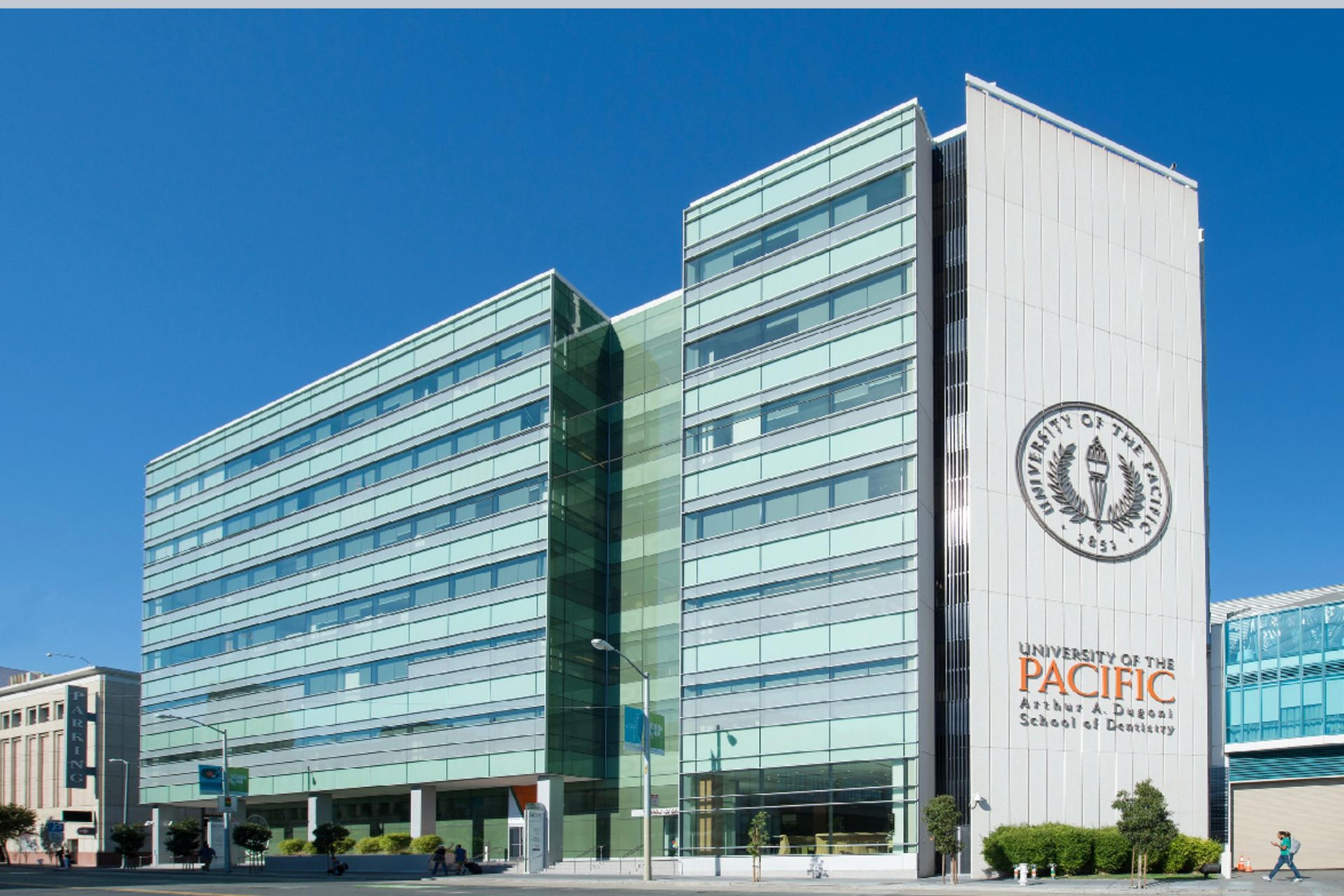
UOP Dental School Tuition 2026: UOP Tuition Per Year and Full Cost Breakdown
University of the Pacific Arthur A. Dugoni School of Dentistry (UOP) tuition for 2026. See tuition per year, full cost of attendance, financial aid, loans, and total program estimate.
Posted March 19, 2026


Table of Contents
If you're considering the University of the Pacific Arthur A. Dugoni School of Dentistry, one of the key deciding factors on whether or not you attend or even apply will be the cost.
For the 2025-2026 academic year, tuition is $131,748. But tuition alone doesn’t reflect the full story. After accounting for required instruments, mandatory fees, and estimated living expenses, total annual costs range from approximately $184,000 to $195,000, depending on your year of study.
Across the accelerated three-year DDS program, total estimated expenses exceed $560,000 before interest accrual or tuition increases. Because Pacific is a private institution, tuition is set annually by the Board of Regents and has historically increased by about 2% per year.
This guide breaks down tuition, required fees, living costs, and financial aid options so you can understand the full financial commitment and plan accordingly.
Read: University of the Pacific Dental School: Application Requirements and Program Overview
What Is UOP Tuition for Dental School in 2026?
For the 2025-2026 academic year, UOP tuition for the Doctor of Dental Surgery (DDS) Program is at $131,748. That is in tuition alone.
Pacific's Board of Regents sets the tuition each year with an average of a 2% increase each year. Tuition and increases depend on institutional budgeting and board approval.
Tuition and Fees Breakdown (2025-2026)
Below is a breakdown of the DDS, IDS, Orthodontics, and Endodontics graduate programs, including the additional fees for each program.
Doctor of Dental Surgery Program
| Budget Category | First Year Students | Second Year Students | Third Year Students |
|---|---|---|---|
| Tuition | $131,748 | $131,748 | $131,748 |
| Dental Kit | $11,988 | $3,207 | $145 |
| Rental Kit | $250 | $250 | $250 |
| Instrument Management Fee | $3,728 | $4,490 | $5,824 |
| Technology Fee | $772 | $772 | $772 |
| Lab Fees | $350 | $350 | $0 |
| Optical Loupes | $1,195 | $0 | $0 |
| Student Health Center Fee | $960 | $960 | $960 |
| Disability Insurance Fee | $53 | $53 | $53 |
| Health Insurance Fee | $3,594 | $3,594 | $3,594 |
| Dental Associations | $216 | $216 | $216 |
| Student Body Fee | $155 | $155 | $155 |
| Retreat & Commencement Fee | 0 | 0 | $416 |
| Direct Cost Total | $155,009 | $145,795 | $144,133 |
| Allowance for Living Expenses | $39,744 | $39,744 | $39,744 |
International Dental Studies (IDS) Program
| Budget Category | First Year Students | Second Year Students |
|---|---|---|
| Tuition | $131,748 | $131,748 |
| Dental Kit | $14,305 | $145 |
| Rental Kit | $350 | $350 |
| Instrument Management Fee | $3,728 | $5,824 |
| Technology Fee | $772 | $772 |
| Lab Fees | $350 | $0 |
| Optical Loupes | $1,195 | $0 |
| Student Health Center Fee | $960 | $960 |
| Disability Insurance Fee | $53 | $53 |
| Health Insurance Fee | $3,594 | $3,594 |
| Dental Associations | $216 | $216 |
| Student Body Fee | $155 | $155 |
| Retreat & Commencement Fee | 0 | $416 |
| Direct Cost Total | $157,426 | $144,233 |
| Allowance for Living Expenses | $39,744 | $39,744 |
Graduate Programs (Ortho and Endo)
| Budget Category | First Year Students | Second Year Students | Final Quarter |
|---|---|---|---|
| Tuition | $131,748 | $131,748 | $32,937 |
| Student Health Center Fee | $960 | $960 | $240 |
| Disability Insurance Fee | $53 | $53 | $13 |
| Health Insurance Fee | $3,594 | $3,594 | $898 |
| Direct Cost Total | $136,355 | $136,355 | $34,088 |
| Allowance for Living Expenses | $39,744 | $39,744 | $9,936 |
Full 3-Year Total Cost of Attendance for the DDS Program
For the 2025-2026 academic year, the total estimated cost of attending the Doctor of Dental Surgery (DDS) program at the UOP School of Dentistry is $564,169 over the course of 3 years. This total includes:
- Tuition: $131,748 per year
- Living Expenses: Estimated at $39,744 per year
- Additional Fees: Including instrument management, dental kits, technology fees, health insurance, and more.
Tuition typically increases by around 2% annually, so future students should anticipate slight rises in the total cost each year.
Financial Aid for UOP Dental Students
Dental school is a significant investment, and many students rely on financial aid to cover the costs. Here’s an overview of the financial aid options available at the University of the Pacific Arthur A. Dugoni School of Dentistry.
1. Institutional Scholarships
- Dean's Scholarship: This highly competitive scholarship is awarded to admitted DDS students based on their application. It is a one-time award and is applied directly to tuition.
- Endowed Scholarships: Funded by Dugoni alumni and friends, these scholarships are available to continuing students and are awarded based on academic merit and financial need.
- Commitment Service Scholarships: This scholarship helps cover tuition and living expenses in exchange for a commitment to work in underserved areas or the military after graduation.
2. Federal Loan Programs
Federal loans are the primary way most students fund their education. The available federal loan options include:
- Health Professions Student Loan (HPSL): This is a low-interest federal loan available to dental students, with deferred payments during school and residency.
- Federal Direct Unsubsidized Loans: These loans are available to all graduate students, including dental students. Interest begins to accrue immediately, but payments can be deferred until after graduation.
- Federal Direct PLUS Loans: Graduate PLUS loans can be used to cover remaining costs after other forms of financial aid. These loans carry higher interest rates but offer flexible repayment options.
3. Private Loans
If federal loans do not cover all of the costs, private loans can be a viable option. These loans are offered by private banks and credit unions and may require a cosigner. Be aware that private loans may have less favorable terms compared to federal loans, including higher interest rates and fewer repayment protections.
4. Loan Repayment and Forgiveness
Many dental students will take out substantial loans, and understanding repayment options is crucial. Federal loan borrowers can take advantage of the following programs:
- Income-Driven Repayment Plans: These plans adjust your monthly payments based on your income after graduation.
- Public Service Loan Forgiveness (PSLF): If you work in a qualifying public service job (including dental care in underserved areas), you may be eligible to have your loans forgiven after 10 years of qualifying payments.
5. Navigating Financial Aid
The financial aid office at UOP is here to help you navigate your options. Be sure to:
- Complete the FAFSA: This is the first step to accessing federal aid.
- Review Your Financial Aid Package: Understand what loans, grants, and scholarships you are eligible for.
- Explore Local Scholarships: In addition to institutional scholarships, many local organizations and foundations offer scholarships for dental students. Check the Financial Aid Office for up-to-date opportunities.
UOP Cost of Attendance for Dental Students
For the 2025-2026 school year, tuition is $131,748 for the DDS, IDS, Orthodontics, and Endodontics programs. The Global Scholar Program for Advanced Education in General Dentistry costs $135,532.
Once accepted, students need to submit a nonrefundable enrollment fee of $1,000 for most programs and $500 for graduate programs to reserve their spot. This fee is applied to the first quarter’s tuition, which must be paid before classes begin. Tuition for each following quarter is then due on the first day of the quarter and must be paid to register and remain enrolled.
Direct Costs (Billed by the University)
Tuition and fees can vary depending on your enrollment status and living situation. Full-time and part-time students are billed differently, and costs can also change based on whether you live on campus, off campus, or with your parents.
The variables for direct costs are:
- Housing
- Tuition and fees
- Food expense (applies if you are living on campus)
- Mandatory campus charges
Indirect Costs (Not Billed by the University)
Indirect costs are estimated expenses you may incur while enrolled. It may include:
- Housing and room
- Food expenses
- Transportation
- Books/Supplies
- Utilities
- Personal expenses
- Living expenses
Think of it like this: direct costs are what you pay the university, and indirect costs are the extras like books, supplies, and everyday living. Since 89% of Pacific students receive financial aid, many are able to cover both types of costs and plan more confidently. They receive an average of $27,929 aid each year. If you are also eligible, this can help cover both and reduce the stress of paying for school.
How the Cost of Attendance (COA) Is Calculated
The on-campus Cost of Attendance, or COA, is based on tuition, general fees, and average housing and meal plan costs. Course-specific or program-specific fees aren’t included here. Housing and meals are estimated using double-occupancy dorms and the silver meal plan, while books, supplies, transportation, and personal expenses are calculated using averages from the California Student Aid Commission (CSAC).
For students living off campus or with their parents, living expenses are also based on CSAC averages.
The Bottom Line
Attending the University of the Pacific’s Doctor of Dental Surgery program is a significant commitment. First-year students should understand the full cost of attendance, including tuition, fees, room, board, and personal expenses. Completing FAFSA and requesting a financial aid estimate from the Financial Aid Office helps determine eligibility for federal student aid, grants, and scholarships, while loans can cover additional costs. Pacific’s Board of Regents sets tuition each year, and increases have averaged about 2% annually. Comparing UOP tuition and net price with other schools helps each person evaluate the value of the accelerated, in-person program and plan for graduation with confidence.
Build a financial plan for dental school and strengthen your application with a Leland dental admissions coach who has helped students secure scholarships and competitive financial aid packages. Join our dental bootcamps, explore our resources, and sign up for free events today.
See: The 10 Best Dental Coaches for Application & Interview Prep
Ready to take the next step toward dental school? Explore the articles below for expert insights, admissions tips, and strategies to help you stand out as a competitive dental applicant:
- List of Pre-Dental Programs in the US - With Rankings & Acceptance Rates
- Preparing for Your Dental School Interview: Proven Tips for Success
- The Complete Guide to the Dental School Application
- Writing a Winning Dental School Personal Statement
- How to Ace the Dental Admission Test (DAT): 5 Tips for Success
FAQs
What is the tuition for the UOP Dental School DDS program?
- Tuition for the 2025–2026 academic year is $131,748 per year.
What is the total cost of attending the DDS program?
- The estimated total cost for all three years is around $564,169, including tuition, fees, and living expenses.
What financial aid options are available?
- Financial aid includes institutional scholarships, federal loans (e.g., HPSL, Direct Loans), and private loans. Loan forgiveness options like Public Service Loan Forgiveness (PSLF) are also available for eligible graduates.
Can I work while in dental school?
- While it’s challenging due to the intensive schedule, some students work part-time. However, it’s important to balance work with academic and clinical commitments.
What are the living costs in San Francisco?
- Estimated living expenses are $39,744 per year, though costs can vary based on housing and lifestyle.
How is UOP’s DDS program different from others?
- UOP offers a 3-year accelerated DDS program, allowing students to finish faster than the typical 4-year program.