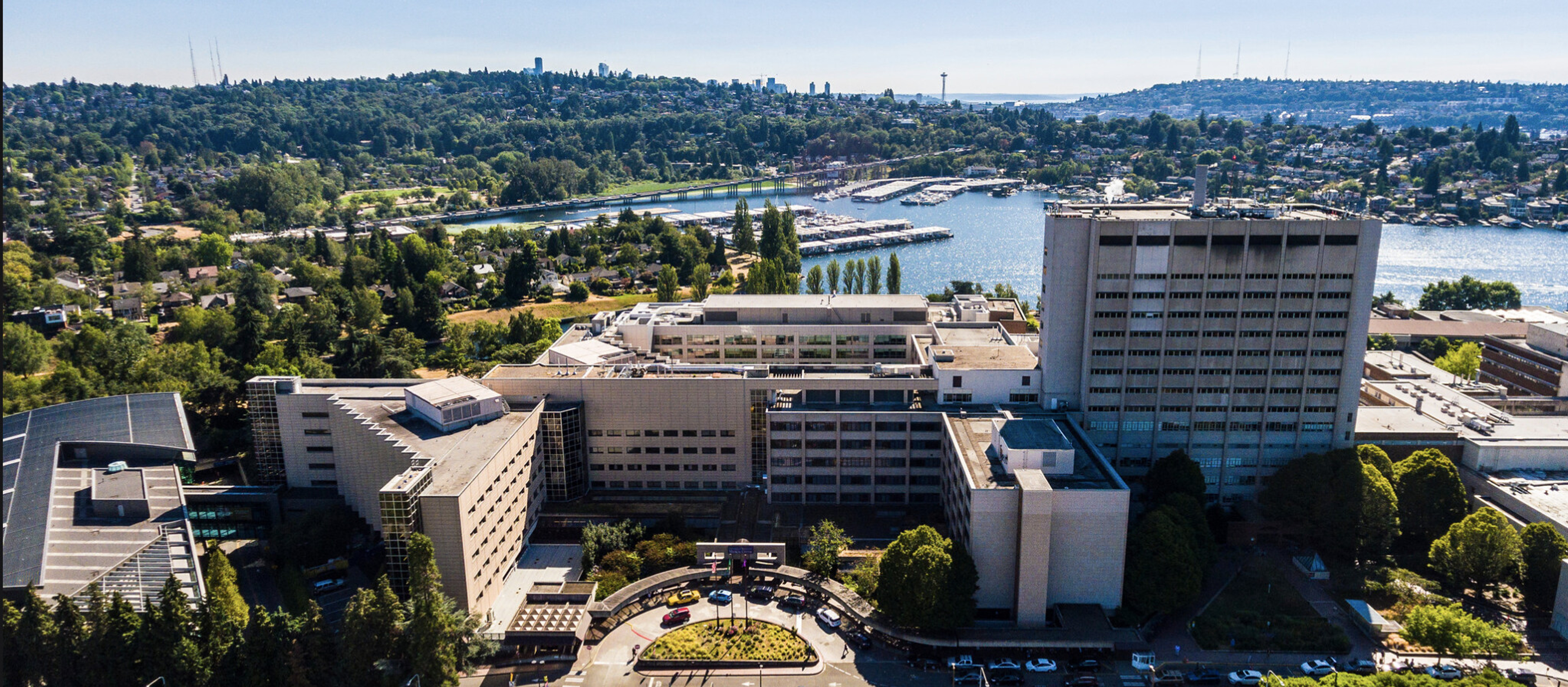
NYU Dental School–Acceptance Rate Overview (2026)
Discover everything you need to know about the acceptance rate at NYU Dental School for 2026.
Posted January 7, 2026




Table of Contents
If you are researching NYU Dental School, officially known as the New York University College of Dentistry, you are likely focused on acceptance odds, academic expectations, and long-term fit within the dental profession. This article explains the NYU dental school acceptance rate, admissions standards, academic profile, and student experience using clear language and verifiable facts.
You will also learn how NYU College of Dentistry compares to other dental schools, how the college application process works, and what kind of student typically succeeds at NYU.
Understanding NYU Dental School Admissions
New York University operates the NYU College of Dentistry, one of the most recognized institutions for dental education in the United States. It is widely known as the largest dental school in the US, graduating a large portion of the nation’s dentists each year.
The school is located in Manhattan near First Avenue, which gives students daily clinical access to a dense and diverse patient population. This access shapes how dentistry, clinical teaching, and patient care are delivered. Acceptance rate alone does not define admissions outcomes, but it helps frame the level of competition you face.
In practice, NYU’s scale changes how admissions decisions are made. A larger class allows the school to consider a broader range of applicants, but it also means students must be comfortable navigating a fast-paced, high-volume environment with less individualized structure than smaller programs. Admissions is not just assessing academic ability, but also whether an applicant can function independently within a large clinical system.
Read: How to Answer the "Why NYU?" Dental School Essay
NYU Dental School Acceptance Rate (2026)
Overall Selectivity
NYU dental school receives one of the highest application volumes among U.S. colleges of dentistry programs. Despite having a large class size, competition remains strong due to the school’s reputation, location, and clinical exposure.
Recent cycles show that thousands of applicants compete for several hundred seats. This places the acceptance rate in a moderate range compared to smaller programs, but selectivity remains real.
Estimated Admissions Snapshot
| Metric | Approximate Range |
|---|---|
| Applicants per cycle | 3,000–4,000+ |
| Entering class size | 350–400 students |
| Acceptance rate | ~10–15% |
Note: These figures vary by year, but they explain why New York U remains competitive even as the largest dental training institution.
NYU College of Dentistry at a Glance
Institutional Background
The NYU College of Dentistry was founded to expand to formal dental training and clinical care. Over time, it has developed into a leading university college of dentistry with a strong focus on patient-based learning, academic instruction, and research.
The school plays a central role in preparing future dentists for work across the United States and abroad, contributing meaningfully to the field of dentistry.
Programs and Departments
NYU Dentistry supports training across general and specialized areas of care. Alongside the DDS program, the school offers education in dental hygiene and advanced clinical disciplines. Academic and clinical instruction spans pediatric dentistry, orthodontics, periodontics, endodontics, and oral health sciences. Each department supports both teaching and applied patient care.
Academic Profile of Admitted Students
NYU does not publish strict academic cutoffs, but patterns from admitted classes suggest that consistency matters more than perfection. Admissions tends to reward applicants who demonstrate reliable performance across science coursework and standardized testing rather than isolated highs or lows. In practice, this means a solid, balanced academic profile often carries more weight than a single standout metric.
What This Academic Profile Signals to Applicants
This suggests that admissions is looking for readiness at scale rather than perfection in isolation. Applicants with balanced GPAs and DAT scores tend to signal that they can manage sustained academic pressure across multiple disciplines. In practice, consistent performance often matters more than extreme highs paired with noticeable gaps. Because the program moves quickly and introduces clinical responsibility early, admissions appear focused on whether an applicant can handle volume and pace, not just peak performance.
GPA and DAT Expectations
Admitted students generally present strong academic records, particularly in science coursework. Competitive DAT scores and solid GPAs help demonstrate readiness for the academic demands of dental school. While exact cutoffs do not exist, successful applicants typically show consistent performance across prerequisite courses.
Applicants who struggle to gain traction at NYU often underestimate how closely admissions looks at academic readiness alongside workload tolerance. Because the program moves quickly and introduces clinical responsibility early, weaker preparation in foundational sciences can become a liability even if other parts of the application are strong.
Educational Background
Students enter NYU Dentistry from a wide range of undergraduate programs. Biology, chemistry, and health sciences are common paths, but admissions decisions focus more on preparation than on the major alone. Your academic history should reflect readiness for intensive education and clinical responsibility.
What are the GPA, DAT, and application requirements for NYU College of Dentistry?
At NYU College of Dentistry, admitted students typically present strong academic credentials. The average overall GPA for accepted applicants is 3.61, with an average science GPA of 3.51. Competitive applicants also tend to earn DAT scores around 21, reflecting solid performance across sections.
NYU College of Dentistry requires completion of standard dental school prerequisites, including Biology, General Chemistry, and Organic Chemistry. Additional coursework may strengthen an application, but it does not replace these core requirements.
For the 2026 admissions cycle, the application deadline is January 15, 2026. Applications are submitted through AADSAS, and earlier submission can improve interview and acceptance timing due to rolling admissions.
College Application Process for NYU College of Dentistry
Application Timeline
The application process follows the AADSAS cycle. Applications usually open in early summer, with interviews beginning later in the year. Offers may continue into the spring, and final decisions can extend into June, depending on seat availability.
Required Materials
You submit academic transcripts, DAT scores, a personal statement, and documented dental exposure. Letters of evaluation often come from a science professor, a faculty member, a clinical associate professor, or a practicing dentist or Dr. These letters help admissions committees evaluate academic readiness and professional behavior.
Interview and Evaluation Process
Interview Structure
NYU Dentistry uses a structured interview system that may include virtual or recorded components followed by live interaction. During this process, you may meet with a program director, a chair, or members of the faculty.
Evaluation Focus
The admissions team looks for academic readiness, professionalism, communication skills, and awareness of patient care responsibilities. Interest in working with children and adults, along with a clear understanding of the dental industry, helps strengthen your candidacy.
Clinical Training and Teaching Model
NYU’s emphasis on early and high-volume patient care accelerates the pace at which students transition from theory to practice. Because clinical exposure begins sooner and involves a steady flow of real patients, students learn to manage time, treatment planning, and decision-making earlier in the program. Day to day, this means balancing academic instruction with frequent patient appointments, documentation, and procedural responsibility. Compared with programs that rely more heavily on simulation or delayed clinical entry, NYU’s model places greater weight on real-world repetition and adaptability, which can benefit students who learn best by doing but may feel demanding for those who prefer extended pre-clinical buffering.
Patient-Based Education
Clinical experience is central to the NYU model. Students treat a high volume of patients early in training, gaining exposure to diverse cases. This structure supports graduates who plan to enter private practice or pursue advanced training.
Faculty and Instruction
Instruction is delivered by full-time professors, part-time clinicians, and specialty-trained faculty members. Many are active in research and advanced care, contributing to a learning environment that blends academics with real-world practice.
Use of Technology
Modern technology supports diagnostics, treatment planning, and record keeping. This mirrors how contemporary dental care is delivered and prepares students for current practice standards.
Cost of Attendance and Financial Planning
NYU dental school is a private program, and cost is a significant factor. Tuition, fees, instruments, and living expenses in New York combine to create a high overall cost. Many graduates rely on federal loans and enter repayment after completing the program. Planning early helps manage long-term outcomes in the profession.
Student Experience and Support
NYU College provides academic advising, structured support services, and enrichment programs such as Saturday Academy, which promotes early exposure to dental careers. Daily life includes managing coursework, clinics, exams, and patient appointments. Living near First Avenue offers strong clinical access, but it also requires careful scheduling and time management.
Is NYU Dental School the Right Fit?
NYU Dental School tends to be a strong fit for students who are comfortable operating in large academic and clinical environments. The program suits individuals who value early and extensive patient exposure, can manage heavy schedules independently, and are prepared to take initiative within a complex institutional system.
In practice, students who succeed at NYU are often those who adapt quickly, stay organized, and actively seek learning opportunities rather than waiting for close guidance. The scale of the program offers breadth, but it also requires personal accountability.
Applicants who struggle at NYU often underestimate the demands created by class size, clinical volume, and cost. Students who strongly prefer small cohorts, highly personalized instruction, or a lower financial burden may find that other dental schools align better with their priorities. Fit matters as much as acceptance, especially in a program of this size.
The Bottom Line
New York University College of Dentistry is not defined by its acceptance rate or reputation alone. Its size, early clinical exposure, and high patient volume shape a fast-paced program that rewards independence, consistency, and comfort with responsibility. Applicants who align their preparation, learning style, and expectations with this structure are more likely to succeed than those focused solely on prestige or odds.
Ready to Decide if NYU Dentistry Is the Right Fit?
Work with a Leland dental school admissions coach to strengthen your application, from crafting a standout personal statement to fine-tuning your DAT prep. Our coaches bring insider insight into what NYU Dentistry values and how to showcase your strengths. Find your dental school admissions coach here.
Top Coaches
- How to Become a Dentist: Application, Degree Programs, FAQs
- A Guide to Clinical Experience for Dental School Applications
- How to Get Into Dental School: Essential Tips and Guidelines
- What Do You Learn in Dental School?
- The Complete Guide to the Dental School Application
FAQs
What is the #1 dental school in the world?
- There is no single official #1 dental school worldwide. Rankings vary by source and criteria, including research, clinical training, and academic reputation.
Does NYU dental school do root canals?
- Yes. NYU dental school provides root canal treatment through its endodontics department as part of clinical education and patient care.
Is NYU good for dentistry?
- Yes. NYU is known for strong clinical exposure, experienced faculty, and broad patient access, making it a solid choice for dental education.