List of Dental Schools in North Carolina in 2026 (Dental & Dental Hygiene Programs)
Explore the only accredited dental schools in NC, plus admissions stats, costs, and how to choose the right path to become a dentist in 2026–2027.
Posted February 26, 2026




Table of Contents
If you’re planning to pursue a career in dentistry, North Carolina offers excellent educational opportunities. The state is home to several top-ranked dental schools that provide aspiring dentists with world-class training, hands-on clinical experience, and strong career prospects.
This guide covers everything you need to know about dental schools in North Carolina, including admissions requirements, curriculum, financial aid options, clinical training breakdowns, research opportunities, extracurricular activities, and post-graduation career paths.
What Are Dental Schools?
Dental schools train students to become dentists, oral health care specialists, and dental researchers. These programs focus on patient care, technical skills, and medical knowledge related to dentistry and dental medicine. Graduates earn degrees such as a Doctor of Dental Surgery (DDS) or Doctor of Dental Medicine (DMD) and go on to practice in clinics, hospitals, or academic settings.
These institutions emphasize innovation in dental education and practice, encouraging graduates to develop new solutions to address oral healthcare challenges and actively engage in community efforts to improve dental hygiene locally and beyond.
Read: Top 25 Dental Schools – and How to Get In
Why Choose North Carolina for Dental School?
If you're serious about building a career in dentistry, location matters more than you think. The right state shapes your clinical training, patient exposure, professional network, and even your future practice model.
Here’s why North Carolina stands out among dental schools nationwide.
1. Two Highly Respected, Mission-Driven DDS Programs
There are only two CODA-accredited dental schools in North Carolina that award the Doctor of Dental Surgery (DDS) degree:
- UNC Adams School of Dentistry (Chapel Hill)
- East Carolina University School of Dental Medicine (Greenville)
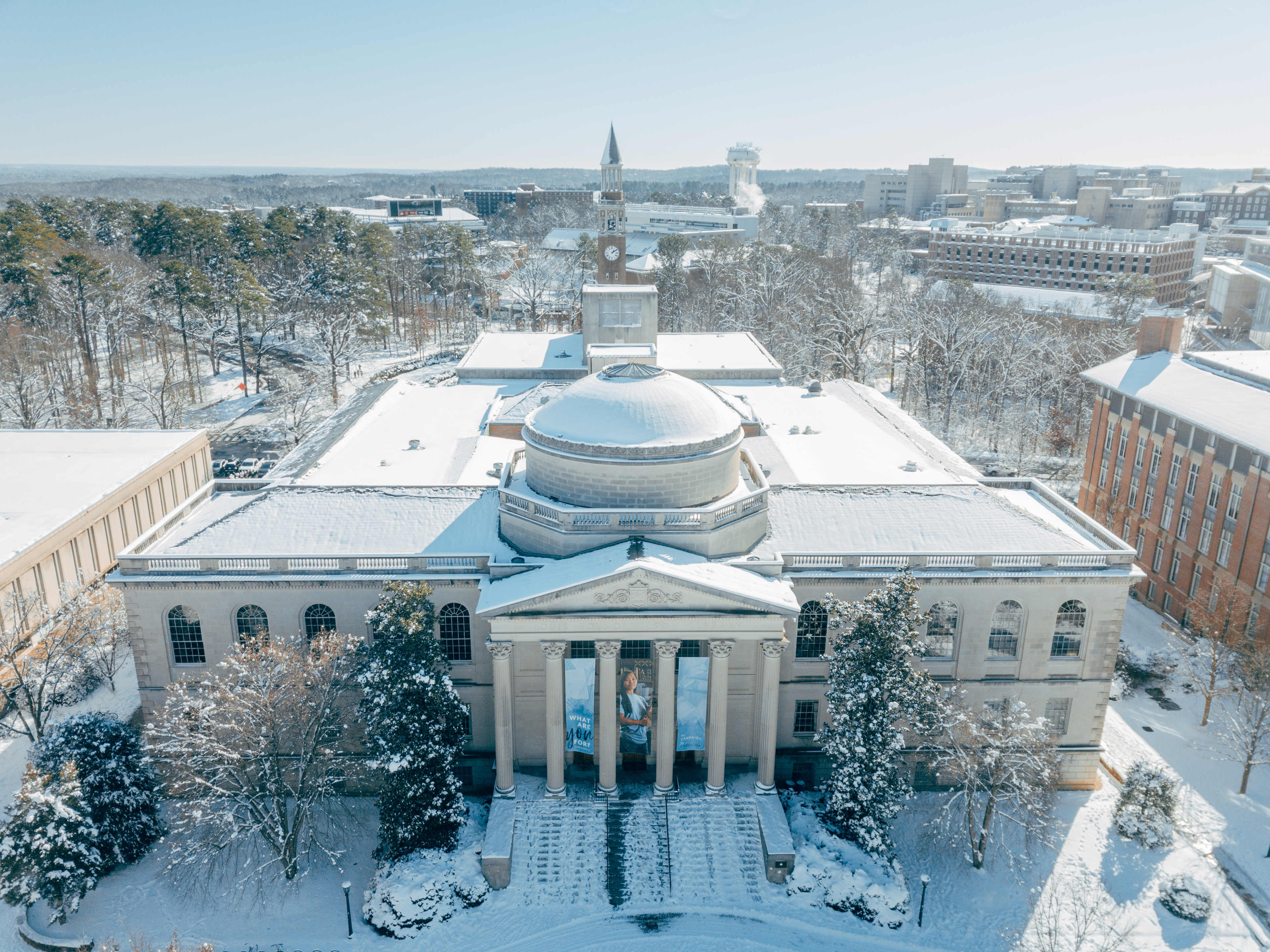
UNC Adams School (Chapel Hill) combines academic rigor, innovation, and a strong dental research infrastructure. It attracts applicants across the country and is known for producing leaders in dental medicine, specialty areas, and academia.
East Carolina University School was founded with a public health mission focused on expanding oral health care access across rural and underserved communities. Its distributed Community Service Learning Centers model gives dental students hands-on experience treating diverse patients across the state.
For applicants who value strong faculty mentorship, real patient volume, and structured clinical progression, NC’s dental education ecosystem is focused, intentional, and high-quality.
2. Exceptional Clinical Training Volume
Many top-ranked dental schools struggle with patient access. That’s not the case in North Carolina because it has:
- Rapid population growth
- Significant rural oral health gaps
- Expanding Medicaid coverage
- Aging demographics
Students benefit from meaningful exposure to:
- Complex restorative cases
- Oral surgery procedures
- Periodontics and orthodontics
- Community-based dental services.
Clinical training begins early and scales quickly. By graduation, students are already leading patient care under supervision, managing treatment plans, and building real procedural confidence.
3. A Strong Job Market for Dentists
North Carolina consistently ranks as one of the fastest-growing states in the country. That growth turns into sustained demand for dentists, particularly in suburban and rural counties.
Key advantages:
- High demand for general dentistry providers
- State-supported initiatives to serve underserved communities
- Competitive earning potential relative to the cost of living
- Expanding healthcare infrastructure.
Graduates who want to begin in private practice, join group practice models, or work in public health settings will find strong career pathways within the state.
4. A Cost of Living Advantage (Without Sacrificing Quality of Life)
Compared to coastal dental school hubs like California or the Northeast, North Carolina offers a more manageable cost structure.
- Lower housing costs in Greenville, Chapel Hill, and the surrounding areas
- Strong value relative to tuition
- Access to thriving cities like Charlotte, Raleigh, and Durham
You get the benefit of nationally respected dental schools without the financial pressure seen in some other regions.
The Best Dental Schools in North Carolina
North Carolina has two CODA-accredited dental schools that award the DDS degree. The remaining institutions listed below offer pre-dental preparation, oral health research, or health sciences pathways, but they are not dental schools.
| School Name | Most Recent Published Selectivity Data (Used for 2026-2027 Planning) |
|---|---|
| UNC Adams School of Dentistry | ~1,382 applicants / ~82 enrolled → ~6% estimated selectivity |
| Duke University (Research/Pre-Health) | ~6-7% undergraduate acceptance rate |
| North Carolina State University (Pre-Dental) | 44,043 applicants / 18,381 admitted → ~41.7% |
| Wake Forest University (Pre-Health) | 18,735 applicants / 4,066 admitted → ~21-22% |
| University of North Carolina at Charlotte (Pre-Dental) | 23,887 applicants / 19,015 admitted → ~79-80% |
| East Carolina University School of Dental Medicine | 364 applicants / 52 enrolled → ~14% estimated selectivity (NC residents only) |
| Appalachian State University (Pre-Dental Track) | ~80% undergraduate acceptance rate (recent CDS range) |
| University of North Carolina at Greensboro (Pre-Dental/Research) | ~90% undergraduate acceptance rate (recent institutional data) |
1. UNC Adams School of Dentistry
- Location: Chapel Hill, NC
- Degree: Doctor of Dental Surgery (DDS)
- Accreditation: CODA
- Applicants (recent cycle): ~1,382
- Class Size: ~82
- Estimated Selectivity: ~6% (based on class size vs. applicants)
- Average GPA: ~3.7
- Average DAT (Academic Average): ~21
Note: Dental schools do NOT use SAT/ACT scores. Admissions decisions are based on GPA, DAT, clinical exposure, service, leadership, and alignment with mission.
In-House Clinics & Training Model:
- Dental Faculty Practice
- Graduate Periodontics Clinic
- Oral & Maxillofacial Surgery services
- Comprehensive Care Clinics
Example Curriculum Components:
- Restorative Dentistry
- Pediatric Dentistry
- Orthodontics & Dentofacial Orthopedics
- Public Health Dentistry
- Clinical Periodontics
The UNC Adams School of Dentistry is widely recognized as one of the top public dental schools in the country. Located in Chapel Hill, it blends rigorous biomedical science with extensive clinical training. Students begin simulation-based instruction early and transition into high-volume patient care experiences across specialty areas. The program is known for strong research funding, interdisciplinary collaboration, and national placement into specialty residencies.
2. East Carolina University School of Dental Medicine
- Location: Greenville, NC
- Degree: DDS
- Accreditation: CODA
- Residency Policy: Primarily North Carolina residents
- Applicants (recent cycle): ~364
- Accepted Students: ~52
- Approximate Selectivity: ~14%
- Average GPA: ~3.75
- Average DAT (AA): ~21.5
- Estimated Annual Tuition (In-State, recent published schedule): ~$27,000-$30,000 range (subject to annual legislative updates)
Clinical Training Model:
- Community Service Learning Centers (CSLCs) across North Carolina
- Pediatric Dentistry Clinic
- Oral Surgery & Prosthodontics Services
- Community-based comprehensive care rotations
Example Curriculum Components:
- Rural Dentistry & Community Health
- Geriatric & Special Needs Dentistry
- Clinical Periodontics
- Dental Public Health
The East Carolina University School of Dental Medicine is nationally known for its community-distributed clinical model. Students complete rotations in underserved regions across the state, gaining hands-on experience treating diverse patient populations. The program’s mission-driven focus makes it a top choice for applicants committed to rural health and expanding access to oral health care in North Carolina.
Universities in North Carolina Offering Pre-Dental & Dental Research Pathways (Not DDS Programs)
These institutions prepare students for dental school but do not award a DDS or DMD degree.
3. Duke University
- Location: Durham, NC
- Program Type: Biomedical Sciences & Dental Research (No DDS Program)
- Undergraduate Selectivity (recent cycle): Highly selective (~6-7% range based on recent admissions announcements)
Strengths:
- Oral health research collaborations
- Biomaterials and biomedical engineering research
- Strong pre-health advising
Example Research Areas:
- Dental Implants & Tissue Engineering
- Oral Cancer Prevention
- Biomaterials Science
Duke does not operate a dental school but offers strong research exposure for students interested in academic dentistry or biomedical pathways.
4. North Carolina State University
- Location: Raleigh, NC
- Program Type: Pre-Dental Track & Biomedical Sciences
- Fall 2024 Applicants: 44,043
- Admitted: 18,381
- Acceptance Rate: ~41.7%
Strengths:
- Biomedical Sciences Research Initiative
- Strong science curriculum
- Pre-health advising support
Example Courses:
- Human Anatomy
- Physiology
- Introduction to Biomaterials
- Ethics in Health Sciences
NC State is one of the largest feeder institutions for dental schools in NC and nationwide.
5. Wake Forest University
- Location: Winston-Salem, NC
- Program Type: Pre-Health & Research-Focused
- Applicants: ~18,735
- Admitted: ~4,066
- Acceptance Rate: ~21-22%
Strengths:
- Strong pre-health advising
- Interdisciplinary health sciences research
- Close faculty mentorship
Wake Forest does not operate a dental school but offers strong preparation for competitive dental applicants.
6. University of North Carolina at Charlotte
- Location: Charlotte, NC
- Program Type: Pre-Dental & Health Sciences
- Applicants: ~23,887
- Admitted: ~19,015
- Acceptance Rate: ~79-80%
Strengths:
- Structured pre-dental advising
- Growing healthcare ecosystem
- Clinical volunteering access in Charlotte
UNC Charlotte prepares students academically for dental school applications.
7. Appalachian State University
- Location: Boone, NC
- Program Type: Pre-Dental Studies
- Acceptance Rate: ~80% range (recent CDS data)
Example Courses:
- Human Anatomy and Physiology
- Biochemistry
- Public Health Foundations
App State offers strong academic preparation with smaller class sizes and accessible faculty support.
8. University of North Carolina at Greensboro
- Location: Greensboro, NC
- Program Type: Pre-Dental & Research Pathways
- Acceptance Rate: ~90% range (recent institutional fact sheets)
Strengths:
- Oral health research opportunities
- Strong biology and health sciences programs
- Community engagement initiatives
UNC Greensboro supports students pursuing careers in dentistry through academic and research preparation.
Dental Hygiene Programs in North Carolina (2026)
Dental hygiene programs are separate from DDS programs. They prepare students to become licensed dental hygienists.
Leading programs include:
- Central Piedmont Community College
- Guilford Technical Community College
- Wake Technical Community College
- Cape Fear Community College
Most award an Associate in Applied Science degree and include significant hands-on hours in real dental clinics.
These programs emphasize oral health education, preventive care, radiography, periodontics, and patient communication skills. Graduates must pass national and regional board exams before practicing.
Pre-Dental Pathways at NC Universities
Many universities in North Carolina support pre-dental students through structured advising programs:
- North Carolina State University
- University of North Carolina at Charlotte
- Appalachian State University
- Wake Forest University
These are not dental schools, but they prepare undergraduate students to apply successfully to dental schools across the country.
Coursework typically includes:
- Biology
- Anatomy and physiology
- Chemistry
- Human anatomy labs
- Ethics in healthcare
Students are encouraged to engage in dental research and volunteer in clinics to strengthen their applications.
Admissions Process for Dental Schools in NC (2026 Update)
The admissions process for both UNC Adams School and East Carolina University School of Dental Medicine includes:
- ADEA AADSAS application
- DAT scores
- Letters of recommendation
- Shadowing documentation
- Interviews
Both schools evaluate academic metrics, leadership, community involvement, and commitment to oral health.
Applicants interested in specialty areas such as orthodontics or oral surgery should demonstrate research exposure and clinical maturity.
Licensure and Career Outlook in North Carolina
To practice dentistry in NC:
- Pass the INBDE
- Complete an approved clinical exam
- Apply through the NC State Board
North Carolina has a strong demand for dentists, particularly in underserved counties.
2026 Career Outlook
- Median salary (NC): ~$175,000
- Growing demand in rural communities
- Expansion of dental services tied to aging population
Dentists may begin in private practice, group practice, public health, or academic roles. Some pursue specialty areas like periodontics or orthodontics.
How to Choose the Best Dental School for You
Choosing a dental school is a four-year investment that will shape your clinical confidence, professional identity, financial trajectory, and long-term career options. The right choice depends less on prestige alone and more on alignment between your goals and the institution’s strengths, mission, and training model.
Below is a deeper framework that top applicants and advisors actually use when evaluating programs.
Accreditation and Degree Structure
Before evaluating culture, cost, or clinical exposure, confirm that the school is accredited by the Commission on Dental Accreditation (CODA). Without CODA accreditation, you cannot sit for licensure exams in the United States.
Next, understand the degree pathway. Most programs award either a Doctor of Dental Surgery (DDS) or Doctor of Dental Medicine (DMD). Functionally, these degrees are equivalent. What differs is the school’s emphasis: some lean heavily into biomedical research, others into community-based oral health care, and others into specialty preparation.
If you are interested in orthodontics, periodontics, oral surgery, pediatric dentistry, or another specialty area, examine whether the institution offers in-house residencies. Schools with strong specialty programs often provide earlier exposure to advanced procedures, stronger mentorship, and more competitive letters of recommendation for residency applications.
The first filter is simple: accreditation and degree clarity. Everything else builds from there.
Clinical Training Model
Not all clinical training is created equal.
Some dental schools emphasize early simulation lab mastery before transitioning into live patient care. Others integrate patient interaction earlier in the curriculum. The most important question is not when you begin seeing patients, but how much responsibility you hold by graduation.
Ask yourself:
- How many comprehensive care cases does a typical student complete?
- What is the average procedural volume in restorative dentistry, oral surgery, prosthodontics, and periodontics?
- Are students managing full treatment plans or rotating through isolated procedures?
Programs in underserved or high-demand communities often provide greater patient volume and case diversity. That builds decision-making skills, speed, and confidence. Graduates from these models tend to transition more smoothly into private practice.
Strong clinical training means being progressively entrusted with diagnosis, treatment planning, and execution under supervision.
Faculty Access, Mentorship, and Research Infrastructure
Faculty quality shapes mentorship, research exposure, specialty placement, and professional network strength.
Research-intensive institutions typically offer strong dental research in biomaterials, oral biology, public health, and translational innovation. Even if you do not plan to pursue academia, exposure to research sharpens critical thinking and strengthens residency applications.
At the same time, smaller programs may offer a more direct faculty access and personalized mentorship. That can be really useful when seeking letters of recommendation or career guidance.
Career Outcomes and Residency Placement
If your goal is general dentistry and eventual practice ownership, examine how well graduates transition into private practice. If you are pursuing specialty training, investigate match rates into competitive residencies such as orthodontics or oral and maxillofacial surgery.
Strong career support offices help students navigate licensure exams, employment negotiations, practice acquisition, and associate contracts. Schools with well-developed alumni networks can open doors that are not visible on paper.
Ask for data whenever possible: Where do graduates practice geographically? What percentage pursue specialty training? How quickly are graduates employed after completion?
A school’s outcome profile often tells you more than its marketing materials.
Tuition Fees, Financial Aid, and Other Cost Considerations
You should also evaluate the total cost of attendance, including fees, instruments, insurance, and living expenses. Public institutions may offer advantages for in-state residents. Some schools also provide mission-based scholarships or service commitments that reduce long-term debt.
Debt influences career flexibility. A lower debt load may allow you to pursue public health dentistry, rural practice, or part-time work without financial pressure. A higher debt load may push you toward higher-revenue environments.
The best decision balances educational quality with long-term financial sustainability.
Institutional Mission and Cultural Fit
Every dental school has a distinct culture. Some are research-driven and academically intense. Others are community-centered and service-focused. Some operate in large medical campuses with interdisciplinary exposure, while others emphasize tight-knit cohorts.
You should ask yourself where you will thrive.
- Do you want a competitive, research-heavy environment?
- Are you drawn to serving underserved communities?
- Do you value close mentorship over large institutional prestige?
Fit affects your daily experience, stress level, and overall satisfaction across four demanding years.
Student Support Systems and Professional Development
Look for structured mentoring programs, academic support services, wellness resources, and leadership opportunities. Professional organizations, specialty interest groups, and community outreach programs help students build both clinical skills and professional identity.
A strong peer cohort also matters. Dentistry is collaborative. The classmates you train with often become your lifelong referral network.
Working in Dentistry After Graduation
After completing your dental education, the next step is to begin your career in dentistry. North Carolina provides ample opportunities for newly graduated dentists, with a high demand for skilled professionals in both urban and rural areas.
Licensure and Certification
To practice dentistry in North Carolina, you must pass the National Board of Dental Examinations (NBDE) and the Clinical Examination for North Carolina. Additionally, you may need to meet specific state requirements depending on the area of practice, such as general dentistry, pediatric dentistry, or oral surgery. It's essential to stay up-to-date with continuing education to maintain licensure.
Career Paths
- Private Practice: Many dentists begin their careers by joining or starting a private practice. The demand for dental services continues to grow, especially in underserved and rural areas.
- Public Health: For those interested in giving back to the community, public health dentistry is a rewarding career path. Dentists in this field often work in schools, clinics, and government programs to improve access to care for vulnerable populations.
- Specialty Areas: If you’re interested in further specialization, you can pursue post-graduate training in areas such as orthodontics, periodontics, or oral and maxillofacial surgery. Specialized professionals are often in high demand and can expect higher earning potential.
Job Market and Career Growth
North Carolina’s growing population, expanding healthcare needs, and a diverse demographic create a strong job market for dentists.
According to the U.S. Bureau of Labor Statistics, the demand for dental professionals is expected to rise as the population ages and oral health awareness increases. Dentists in North Carolina can expect competitive salaries and opportunities for career advancement, especially in private practice or specialized fields.
Networking and Professional Development
Once you graduate, joining professional organizations like the North Carolina Dental Society or the American Dental Association is essential. These groups provide networking opportunities, continuing education programs, and support to help you grow your practice and stay updated on industry trends.
Additionally, local dental associations often host events and workshops, offering a platform to connect with fellow dentists and potential employers.
The Bottom Line
North Carolina is an ideal location for aspiring dentists looking for excellent education and career opportunities. With its top-notch dental schools, diverse population, growing economy, and plenty of extracurricular activities, the state provides a conducive environment for students to pursue their dream of becoming dentists.
From highly competitive institutions like UNC Chapel Hill to community-focused programs like East Carolina University, the state offers a variety of dental education paths that cater to different aspirations. Whether you are looking for hands-on clinical experiences, innovative research, or a strong academic foundation, North Carolina has something to offer.
Dental School Admissions Coaches can help you with application strategies and give you tips on what top dental schools look for in applicants. You can also check out our dental school bootcamp and free events for more strategic insights!
See: The 10 Best Dental Coaches for Application & Interview Prep
Top Coaches
If you're exploring a career in dentistry or considering dental schools, the following articles may provide additional insights and guidance to help you in your journey:
- List of Pre-Dental Programs in the US – With Rankings & Acceptance Rates
- List of HBCU Dental Schools
- List of Dental Schools in Arizona & How to Get In
- How to Ace the Dental Admission Test (DAT): 5 Tips for Success
- ADEA Pre-Dental Requirements
- An In-Depth Guide to the Dental School Application Timeline
- List of Endodontic Residency Programs in the US
- How Many Shadowing Hours for Dental School? The Ultimate Guide
- Preparing for Your Dental School Interview: Proven Tips for Success
FAQs
How hard is it to get into dental school in North Carolina?
- Very competitive. UNC enrolls ~80 students from 1,300+ applicants (~6%), and ECU enrolls ~50 students (~14%) and primarily admits NC residents. A 3.7+ GPA and ~21+ DAT are typically competitive.
What’s the difference between UNC and ECU dental school?
- UNC is more research-intensive with strong specialty pathways. ECU focuses on community-based training and serving rural and underserved populations in North Carolina.
Does going to undergrad in NC improve my chances?
- It can help with advising and residency status (especially for ECU), but GPA, DAT, clinical experience, and mission fit matter more than where you did undergrad.
Should I prioritize research or clinical training?
- Choose based on your goal. Research helps with specialty applications. High clinical volume better prepares you for general practice.
What matters most when choosing a dental school?
- Accreditation, clinical experience, total cost, residency outcomes, and cultural fit.